When Should You Repair or Replace Your Home Exterior?
Beginning with When Should You Repair or Replace Your Home Exterior?, the narrative unfolds in a compelling and distinctive manner, drawing readers into a story that promises to be both engaging and uniquely memorable.
When it comes to maintaining your home, knowing when to repair or replace your home exterior is crucial. This decision can impact not only the aesthetics but also the structural integrity of your house. Let’s explore the key factors to consider when faced with this dilemma.

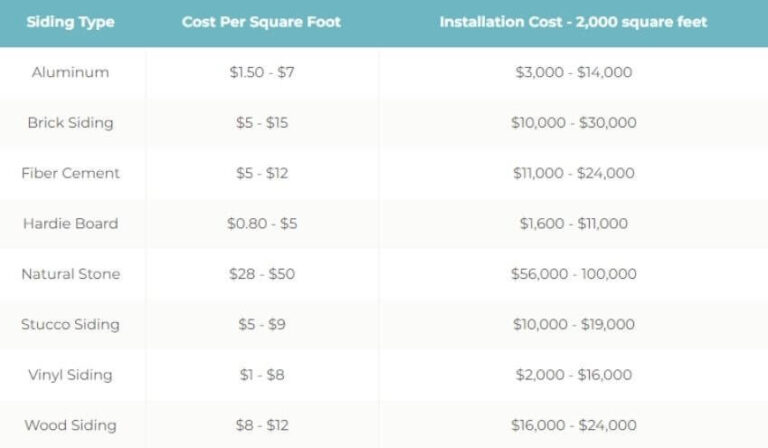
When deciding whether to repair or replace your home exterior, there are several important factors to take into consideration. Understanding common signs of damage, the impact of weather conditions, and the cost implications can help you make an informed decision.
When it comes to the materials used for home exteriors, there are several common options that homeowners can choose from. Each material has its own characteristics in terms of durability, maintenance requirements, and overall aesthetic appeal. Understanding these differences can help homeowners make informed decisions when it comes to repairing or replacing their home exterior.
Wood is a popular choice for home exteriors due to its natural beauty and versatility. However, wood requires regular maintenance, including painting or staining to protect it from the elements. Without proper care, wood can be susceptible to rot, pests, and weather damage.
When considering repair or replacement, the condition of the wood and the extent of damage will play a significant role in the decision-making process.
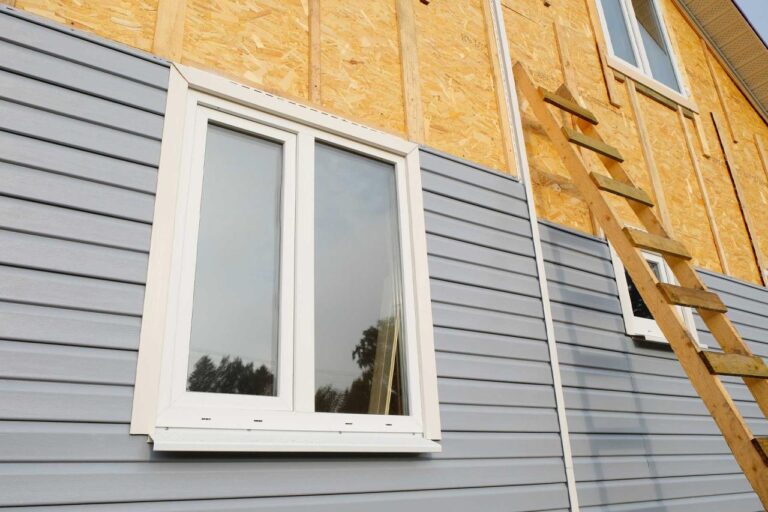
Vinyl is a low-maintenance option for home exteriors that is durable and resistant to rot, pests, and weather damage. It is available in a variety of colors and styles, making it a versatile choice for homeowners. While vinyl is generally easy to clean and maintain, damage such as cracks or fading may warrant repair or replacement.
The cost-effectiveness and longevity of vinyl siding can influence decisions on whether to repair or replace.
Brick is a classic and durable material for home exteriors that offers excellent longevity and minimal maintenance requirements. However, brick can be prone to cracking, efflorescence, or discoloration over time. When considering repair or replacement, the extent of damage and the overall appearance of the brick will be important factors to consider.
Repointing or replacing damaged bricks may be necessary to maintain the structural integrity and aesthetic appeal of the home.
Stucco is a versatile material for home exteriors that offers durability and fire resistance. However, stucco can be prone to cracks, water damage, and discoloration if not properly maintained. When determining whether to repair or replace stucco, the extent of damage, the underlying structure, and the overall condition of the stucco finish will be key considerations.
Repairing cracks, patching areas of damage, or applying a fresh coat of stucco may be necessary to ensure the longevity and appearance of the home exterior.
When it comes to deciding between repairing or replacing your home exterior, there are several factors to consider. Understanding when repairs are sufficient and when replacement is a better option can save you time and money in the long run.
Additionally, considering the environmental impact of your decision is crucial in making a sustainable choice for your home.
There are certain scenarios where making repairs to your home exterior is enough to address issues and restore its functionality and aesthetics. Minor damages such as small cracks, chipped paint, or loose siding can often be fixed with simple repairs.
Regular maintenance and timely repairs can prolong the lifespan of your home exterior materials.
On the other hand, there are situations where replacing certain components of your home exterior is a more cost-effective or long-term solution. If the damage is extensive, recurring, or affecting the structural integrity of your home, replacement may be necessary.
Investing in high-quality materials and modern energy-efficient options can also lead to long-term savings on maintenance and energy costs.
When considering the environmental impact of repairing versus replacing home exterior components, it’s essential to think about the resources used in both scenarios. Repairing existing materials reduces waste and consumption of new resources, making it a more sustainable choice. However, replacing outdated or inefficient materials with eco-friendly alternatives can improve energy efficiency and reduce your home’s carbon footprint in the long run.
When it comes to repairing or replacing your home exterior, you may find yourself wondering whether to tackle the project yourself or hire a professional. Both options have their pros and cons, so it’s essential to weigh your choices carefully.
For minor home exterior damages like small cracks, chipped paint, or loose siding, DIY repairs can be a cost-effective solution. With the right tools and materials, you can easily fix these issues yourself without having to hire a professional.
While DIY repairs can save you money, there are times when it’s best to leave the job to the experts. If you’re dealing with extensive damage, structural issues, or complex installations, hiring a professional is the safest and most efficient option.
When opting for a DIY approach, it’s crucial to have the right tools and knowledge to ensure successful repairs. Using the correct tools and techniques not only makes the job easier but also helps prevent accidents and further damage.
Investing in quality tools like a hammer, screwdriver, level, caulk gun, and safety gear can make your DIY repairs more efficient and safe.
When should I consider repairing instead of replacing my home exterior?
Repairs are usually sufficient for minor damages like chipped paint or small cracks. It’s cost-effective and can extend the lifespan of your exterior.
What are the common signs of damage to look for on my home exterior?
Look out for peeling paint, water stains, cracks, or rotting wood. These signs indicate potential issues that may require repair or replacement.
How do weather conditions impact the need for repairs or replacement of home exteriors?
Extreme weather conditions like heavy rain or snow can accelerate wear and tear on your home exterior, making repairs or replacements more urgent.