Home Repair Insurance Claim: Repair or Full Replacement?
Delving into Home Repair Insurance Claim: Repair or Full Replacement?, this introduction immerses readers in a unique and compelling narrative, with a casual formal language style that is both engaging and thought-provoking from the very first sentence.
As homeowners, dealing with home repairs can be a daunting task, especially when it comes to deciding between repair and full replacement. This article will explore the key considerations, assessment processes, repair steps, and replacement considerations involved in home repair insurance claims, providing valuable insights for making informed decisions.
When dealing with a home repair insurance claim, several factors come into play when deciding between repair and full replacement. These factors can significantly influence the outcome of the claim and the overall cost implications for both the homeowner and the insurance company.Repair vs.
Full Replacement:
In some cases, opting for repair over full replacement can be more cost-effective. For example, if only a small portion of a roof is damaged due to a storm, repairing that specific area might be sufficient to restore the integrity of the roof without the need for a full replacement.
This targeted approach can save both time and money, as the insurance coverage for repairs is typically less than that for full replacements.
The extent of the damage is another crucial factor to consider when deciding between repair and full replacement. If the damage is limited to a specific area or component of the home, such as a cracked window or a damaged door, repair may be a viable option.
However, if the damage is widespread and affects multiple areas or systems of the home, full replacement may be necessary to ensure the safety and structural integrity of the property.
The age of the property is also a key consideration. Older homes may have outdated materials or systems that are more prone to damage and may require more frequent repairs. In such cases, it may be more cost-effective in the long run to opt for full replacement with modern, durable materials that can increase the property’s longevity and reduce the need for future repairs.
Lastly, the extent of insurance coverage plays a significant role in the decision-making process. Insurance policies may have specific limits and exclusions for repairs versus full replacements, which can impact the final decision. It is essential to review the insurance policy carefully and consult with the insurance provider to understand the coverage options available and make an informed decision based on the policy terms and conditions.
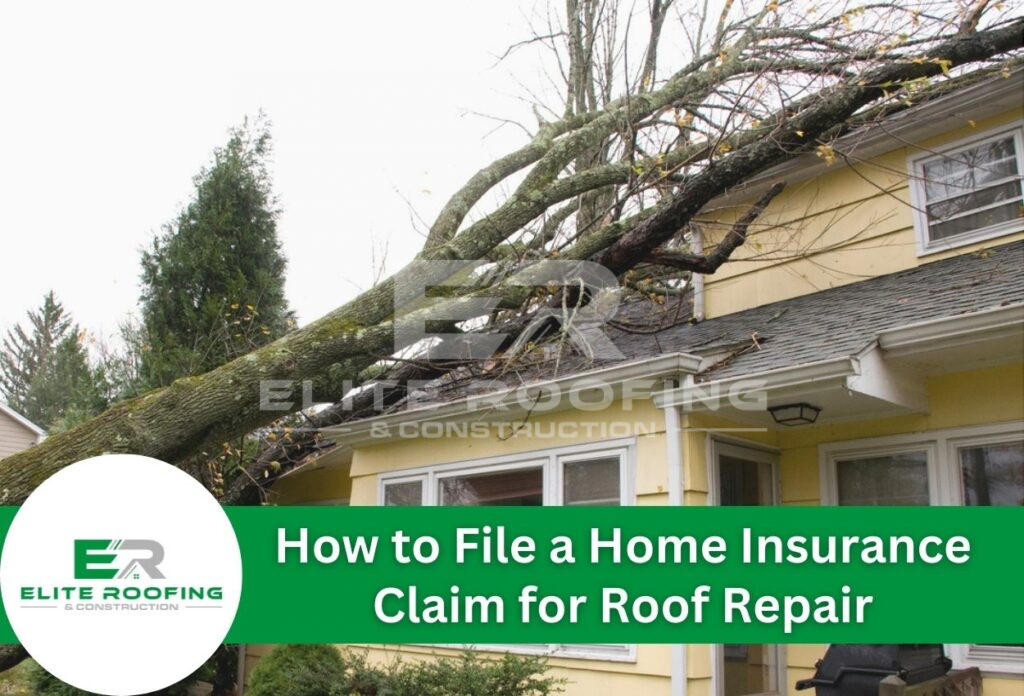
When assessing structural damage in a home, it is crucial to follow a systematic process to accurately determine the extent of repairs needed. This process involves evaluating different components such as roofing, siding, plumbing, and more to make an informed decision on whether repair or full replacement is necessary.
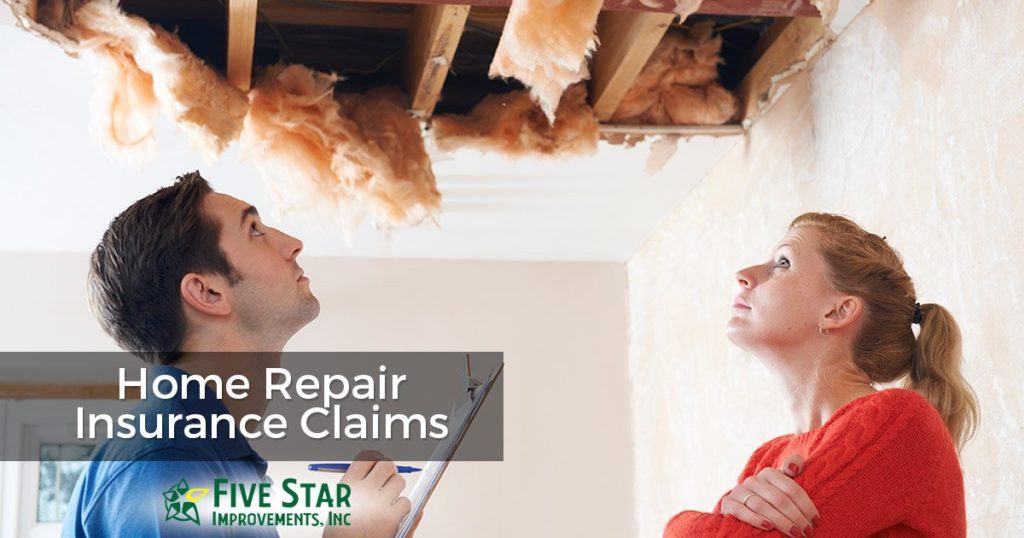
When a home insurance claim is approved for repairs, there are several typical steps involved in the repair process to restore the damaged property back to its original state. Contractors play a crucial role in identifying, planning, and executing the necessary repairs to ensure quality workmanship and customer satisfaction.
Insurance adjusters also work closely with contractors to oversee the repair process and ensure that the work is done correctly and in compliance with the insurance policy.
When deciding between repair or full replacement in a home repair insurance claim, there are scenarios where opting for full replacement is the best course of action. In cases where the damage is extensive or the existing components are outdated, replacing them entirely can offer various advantages.
Full replacement can sometimes be more cost-effective in the long run, especially in situations where:
When should I consider repair over full replacement?
If the damage is minor and can be fixed without compromising the overall integrity of the structure, repair may be a more cost-effective option.
How do insurance adjusters work with contractors during the repair process?
Insurance adjusters collaborate with contractors to assess the damage, estimate repair costs, and ensure that the repairs meet the insurance policy requirements.
What are the advantages of opting for full replacement?
Full replacement offers benefits such as longevity, warranties on new components, and the opportunity to modernize outdated systems.
![How Much Does House Cladding Cost? [2026 Data] | Angi](https://wvr.radarbanten.co.id/wp-content/uploads/2026/09/siding-worth-768x512.jpg)