
Home Renovation Loans vs Insurance Claims: How to Pay for Major Repairs
Exploring the realm of Home Renovation Loans vs Insurance Claims: How to Pay for Major Repairs sets the stage for a compelling narrative. Dive into a world of financial decisions and strategic planning as we unravel the intricacies of covering major repairs.
Delve into the nuances of home renovation loans and insurance claims to discover the most effective ways to finance crucial home improvements.
When it comes to major repairs or upgrades to your home, one option to consider is obtaining a home renovation loan. This type of loan is specifically designed to help homeowners cover the costs of renovations, whether it’s a kitchen remodel, bathroom upgrade, or other significant home improvement project.
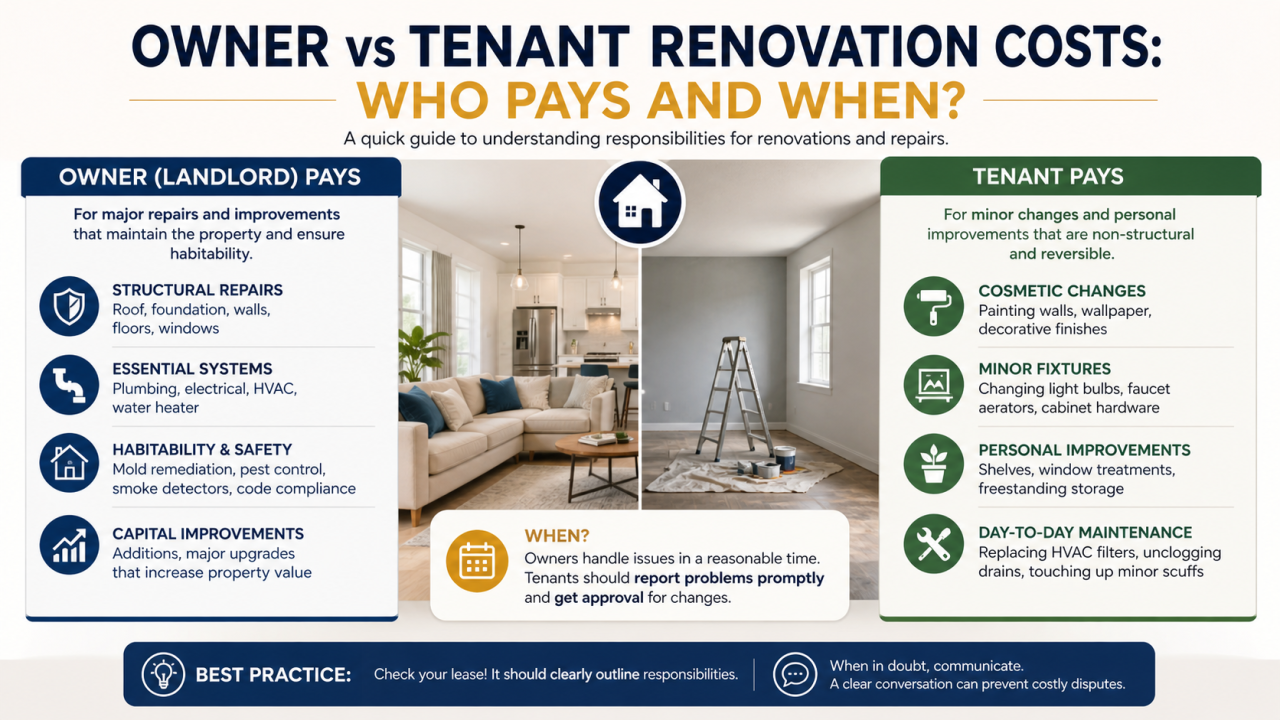
When it comes to home repairs, insurance claims play a crucial role in helping homeowners cover the costs of damages caused by unforeseen circumstances. Understanding how insurance claims work for home repairs is essential for homeowners looking to navigate the process effectively.
Home insurance typically covers a range of damages, including:
When filing an insurance claim for home repairs, homeowners should follow these steps:
Adjusters play a vital role in processing insurance claims for home repairs. They are responsible for:
When it comes to financing major home repairs, both home renovation loans and insurance claims have their own sets of advantages and disadvantages. Let’s take a closer look at the pros and cons of each option.

When it comes to obtaining a home renovation loan or filing an insurance claim for major repairs, there are specific eligibility criteria and requirements that need to be met. Let’s delve into the details to understand what is needed in each case.
To qualify for a home renovation loan, lenders typically look at factors such as credit score, income, debt-to-income ratio, and the value of the property. Some common eligibility requirements include having a good credit score (usually above 620), a stable income, and enough equity in your home to cover the loan amount.
When applying for a home renovation loan, you will typically need to provide documentation such as proof of income, tax returns, bank statements, and details about the renovation project. Lenders may also require an appraisal of the property to determine its current value.
Insurance coverage for home repairs is usually determined by factors such as the cause of damage, the age and condition of the home, and the type of policy you have. To be eligible for insurance coverage on home repairs, the damage must be sudden and accidental, and not due to lack of maintenance or wear and tear.
When filing an insurance claim for major repairs, you will need to provide documentation such as photos of the damage, estimates from contractors, a copy of your insurance policy, and a detailed description of the incident. It’s important to file the claim promptly and cooperate with the insurance company throughout the process.
What are the advantages of using a home renovation loan for major repairs?
Home renovation loans provide a structured approach to financing large-scale home improvements and offer competitive interest rates.
What types of damages are typically covered by home insurance?
Home insurance usually covers damages from events like fire, theft, vandalism, and certain natural disasters.
What are the eligibility criteria for obtaining a home renovation loan?
Eligibility criteria for home renovation loans often include credit score, income stability, and the value of the property.
What documents are needed when applying for a home renovation loan?
Commonly required documents for a home renovation loan application include proof of income, identification, and property details.
What are the limitations of relying on insurance claims for home repairs?
Insurance claims for home repairs may have coverage limitations, exclusions based on policy terms, and potential delays in claim processing.