
Siding and Cladding Replacement Cost: Materials, Labor and Installation – A Comprehensive Guide
Exploring the intricacies of Siding and Cladding Replacement Cost: Materials, Labor, and Installation, this introduction sets the stage for an informative journey into the world of construction. From the various materials used to the labor costs involved, this guide delves deep into every aspect with clarity and insight.
With a focus on providing valuable information to readers, the following paragraphs will cover key points about materials, labor, and installation processes, ensuring a well-rounded understanding of the topic.
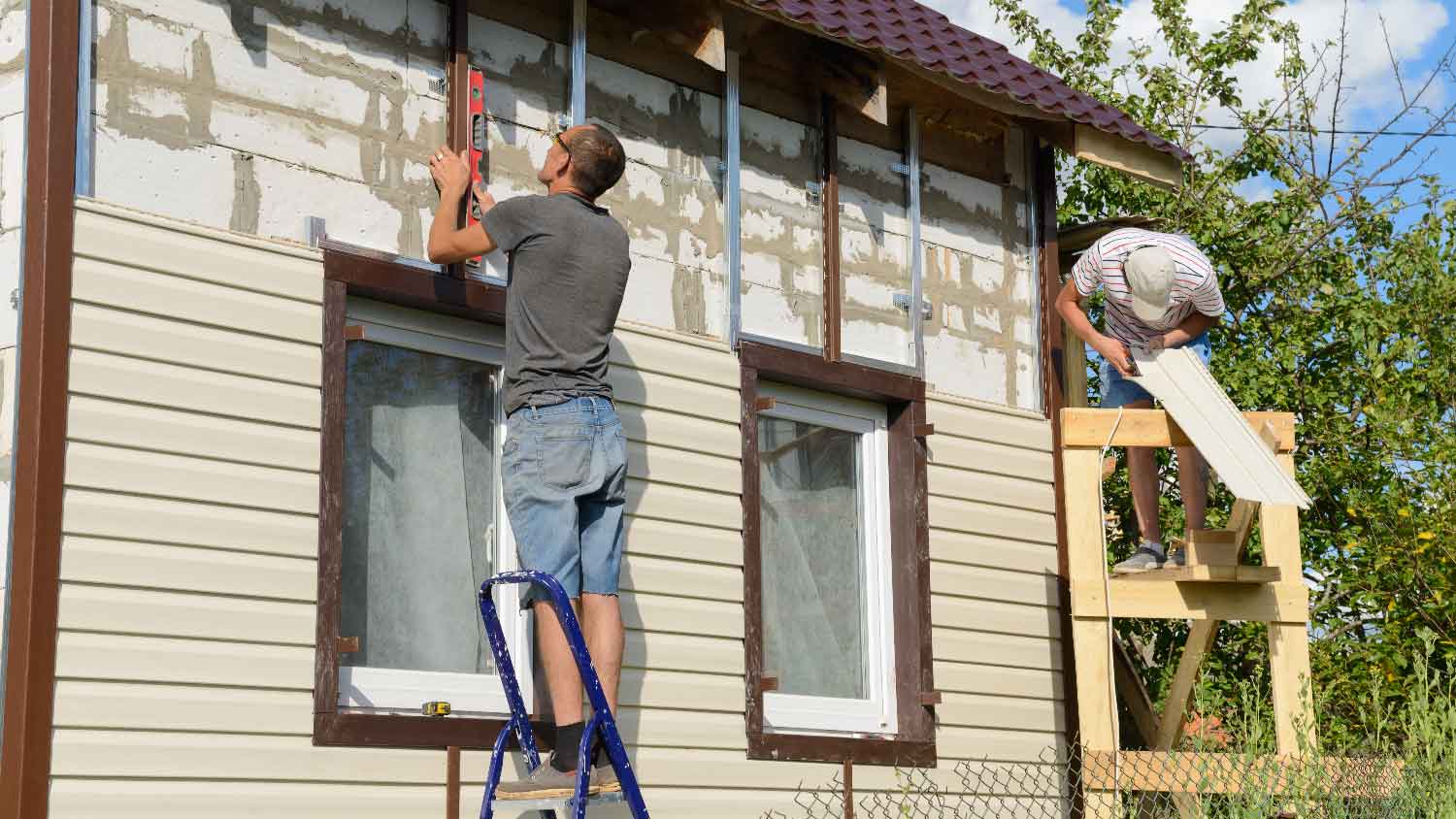
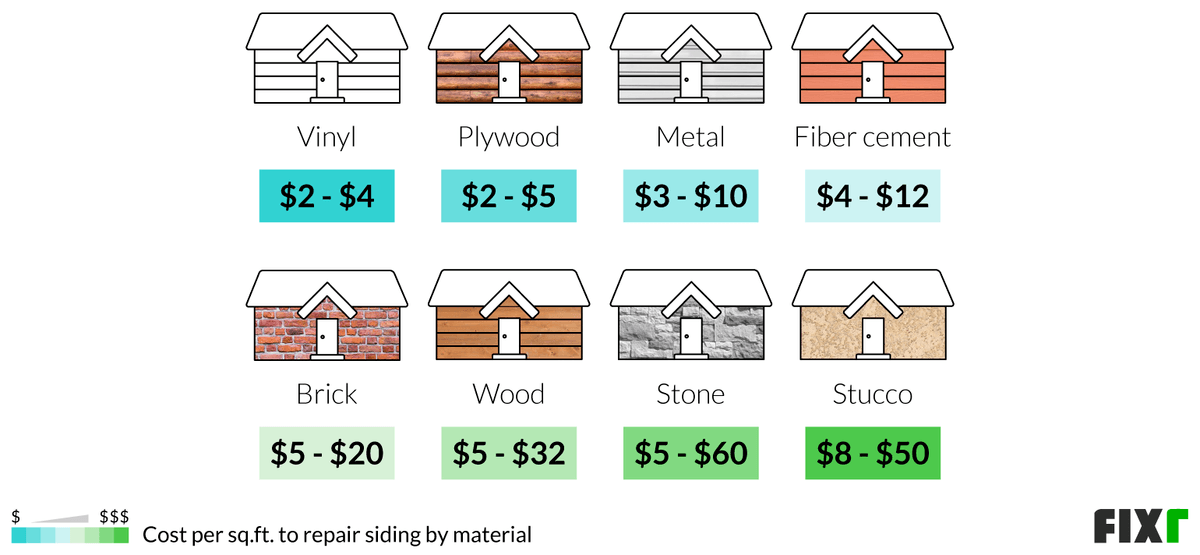
When it comes to siding and cladding replacement, choosing the right materials is crucial for the overall look, durability, and maintenance of your property. There are various options available, each with its own set of characteristics and costs. Let’s explore some common materials used for siding and cladding replacement.
Vinyl siding is a popular choice due to its affordability, low maintenance requirements, and wide range of colors and styles. It is durable and resistant to rot, insects, and fading. However, extreme temperatures can cause it to crack or warp.
Vinyl is best suited for moderate climates.
Fiber cement siding offers the look of wood without the high maintenance. It is resistant to fire, insects, and rot, making it a durable option. Fiber cement is also available in various textures and finishes. However, it can be heavy and more costly compared to other materials.
It performs well in all climates.
Wood siding provides a natural and timeless look to a property. It can be painted or stained in different colors and finishes. Wood is biodegradable and environmentally friendly, but it requires regular maintenance to prevent rot, warping, and insect damage.
It is more expensive than vinyl but adds warmth and charm to any home.
Aluminum siding is lightweight, durable, and resistant to rust and fire. It comes in a variety of colors and can mimic the look of wood or other materials. However, it is prone to dents and scratches, especially in areas with hail or heavy winds.
Aluminum is suitable for coastal areas or regions with high humidity.
Brick cladding is known for its longevity, strength, and classic appeal. It is fire-resistant, low maintenance, and provides excellent insulation. However, brick is one of the most expensive options and requires professional installation. It is ideal for areas with extreme weather conditions.
Overall, the choice of material for siding and cladding replacement depends on factors such as budget, climate, desired aesthetics, and maintenance preferences. It’s essential to weigh the pros and cons of each option before making a decision.
Labor costs play a significant role in siding and cladding replacement projects as they involve the manual work required for the installation process. The cost of labor is influenced by various factors such as the skill level of the workers, the complexity of the project, and the location of the property.
When it comes to the installation of siding and cladding, there are several general steps involved to ensure a proper and durable finish. From preparation to finishing touches, each step plays a crucial role in the overall outcome of the project.
What are the most common materials used for siding and cladding replacement?
Common materials include vinyl, wood, fiber cement, and metal. Each material has unique characteristics in terms of durability, aesthetic appeal, and maintenance requirements.
What factors influence labor costs in siding and cladding replacement projects?
Labor costs can vary based on skill level, project complexity, and location. For instance, projects in urban areas might have higher labor costs compared to rural areas.
What are the general steps involved in the installation of siding and cladding?
The installation process typically involves preparing the surface, measuring and cutting the materials, and securing them in place. Proper tools and equipment are essential for a successful installation.