How Much Does New Siding or Cladding Cost in 2026?
Delving into the realm of siding and cladding costs for 2026, we uncover a landscape shaped by various factors and trends. From material choices to installation complexities, this guide aims to shed light on the pricing strategies and innovations driving the industry forward.
As we navigate through the intricacies of cost estimation methods and cost-saving strategies, a clearer picture emerges of what to expect when considering a siding or cladding project in the upcoming year.
When considering the cost of new siding or cladding in 2026, several factors come into play that can impact the overall price. Understanding these factors is crucial in making informed decisions about your home improvement project.
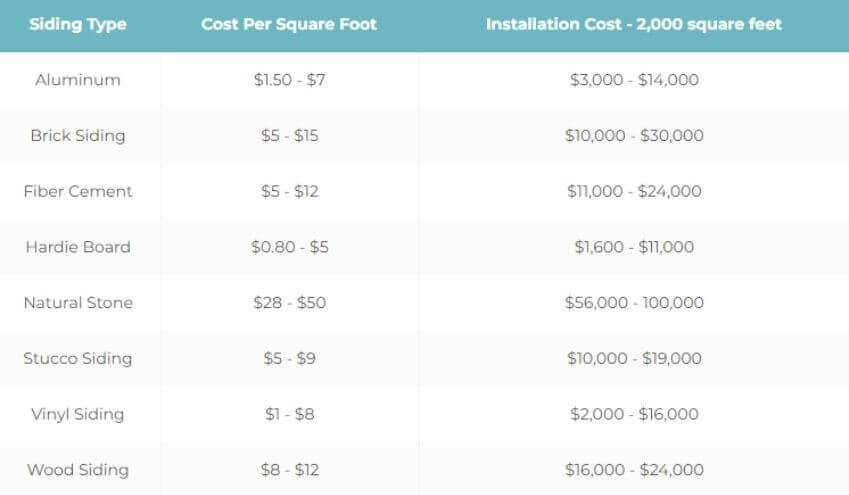
Different types of siding materials come with varying price tags. For example, vinyl siding is generally more affordable compared to options like fiber cement or wood. The choice of material can significantly influence the total cost of your siding project.
The size and layout of your property play a crucial role in determining the cost of new siding or cladding. Larger homes will require more materials and labor, thereby increasing the overall expenses. Additionally, complex layouts or architectural features may also impact the installation process, affecting the final price.
The complexity of the installation process can affect pricing as well. Factors such as the need for additional preparation work, removal of existing siding, or intricate detailing can all contribute to higher labor costs. Understanding the level of complexity involved can help in estimating the overall expenses accurately.
Location plays a significant role in determining the cost of new siding or cladding. Regional pricing differences, labor rates, and material availability can vary from one area to another. It is essential to consider these factors when budgeting for your siding project to account for any regional variations in pricing.
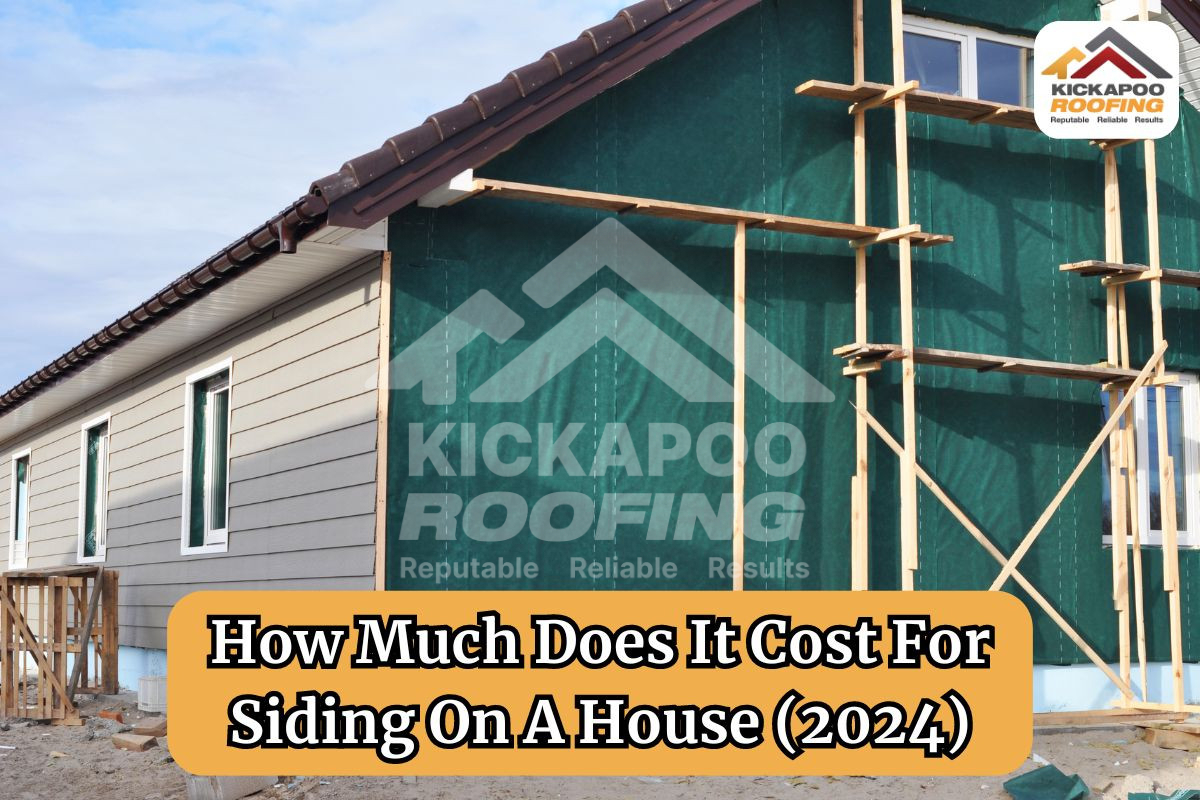
When planning for a new siding or cladding project, it is crucial to have a clear understanding of the cost estimation methods involved. Proper cost estimation ensures that you can budget effectively and avoid any financial surprises along the way.

The cost of siding or cladding in 2026 is not only influenced by traditional factors like material and labor costs but also by various trends and innovations shaping the industry. Let’s delve into how these factors are impacting the pricing strategies in the market.
With continuous advancements in material technology, new types of siding materials are being introduced that offer improved durability, energy efficiency, and aesthetics. However, these innovative materials often come at a higher price point due to the research and development costs involved.
For example, fiber cement siding, which is known for its durability and low maintenance, may be priced higher compared to traditional vinyl siding due to its advanced composition.
The increasing focus on sustainability and eco-friendliness in construction has led to the development of siding materials made from recycled or renewable sources. While these options align with the growing demand for environmentally conscious products, they can also be more expensive to produce.
Siding products incorporating eco-friendly features like solar panels or natural insulation may come with a premium price tag, reflecting the cost of sustainable practices.
Innovations in siding design are also impacting the cost of siding projects in 2026. Modern architectural trends favor sleek and minimalist designs that may require specialized materials or installation techniques. Customized design options, such as textured finishes or unique color choices, can add to the overall cost of the project.
Additionally, the demand for smart siding solutions that integrate technology for energy efficiency or monitoring purposes may contribute to higher prices.
Market demands play a crucial role in shaping pricing strategies for siding products. Manufacturers and suppliers often adjust their prices in response to consumer preferences, industry trends, and competitive pressures. Factors like supply chain disruptions, fluctuating raw material costs, or changes in market demand can influence the pricing of siding materials.
Additionally, factors like brand reputation, warranty offerings, and installation services may also impact the overall cost of siding projects.
When considering new siding or cladding installations, there are several cost-saving strategies that homeowners can explore to make the project more affordable and budget-friendly. From DIY options to negotiating with contractors, here are some tips to help reduce costs and maximize savings.
One cost-saving strategy for new siding or cladding installations is to consider taking on the project as a do-it-yourself (DIY) endeavor. By opting to install the siding or cladding yourself, you can potentially save on labor costs associated with hiring professionals.
However, it’s essential to ensure that you have the necessary skills, tools, and knowledge to complete the installation correctly and safely.
Another way to save on the cost of new siding or cladding is to explore financing options and incentives that may be available. Some financing programs offer low-interest loans or rebates for energy-efficient siding materials, helping to offset the initial investment.
Additionally, there may be government incentives or tax credits for eco-friendly siding options, providing further savings for homeowners.
When hiring contractors for siding or cladding installations, it’s crucial to negotiate effectively to get the best price possible. Obtain multiple quotes from different contractors and compare their prices and services. You can also negotiate the cost of materials, labor, and any additional services to ensure that you are getting a competitive and reasonable price for the project.
To reduce long-term costs associated with siding or cladding, implementing proper maintenance practices is key. Regularly inspecting and cleaning the siding, addressing any issues promptly, and performing routine maintenance tasks can help extend the lifespan of the materials and prevent costly repairs or replacements down the line.
By investing time and effort in maintenance, homeowners can save money in the long run.
What are the different types of siding materials and their costs?
Answer: The cost of siding materials can vary widely, from affordable vinyl options to premium wood or fiber cement choices. It’s essential to consider both upfront costs and long-term maintenance expenses when selecting the right material for your project.
How can property size and layout impact the overall cost of new siding or cladding?
Answer: Larger properties with complex layouts may require more materials and labor, leading to higher costs. Understanding how these factors influence pricing is crucial for accurate budgeting.
Are there any financing options available for siding projects?
Answer: Yes, many lenders offer home improvement loans or lines of credit specifically for siding projects. Exploring these options can help make your renovation more affordable.
What maintenance practices can help reduce long-term costs for siding or cladding?
Answer: Regular cleaning, inspections, and timely repairs can prolong the lifespan of your siding, reducing the need for costly replacements or extensive repairs in the future.
![How Much Does House Cladding Cost? [2026 Data] | Angi](https://wvr.radarbanten.co.id/wp-content/uploads/2026/09/siding-worth-768x512.jpg)