High-Risk Car Insurance: Coverage Options, Costs, and Ways to Save
Delve into the world of High-Risk Car Insurance: Coverage Options, Costs, and Ways to Save as we uncover the intricacies of this crucial topic. Get ready for a journey filled with valuable insights and practical advice to navigate the realm of high-risk car insurance.
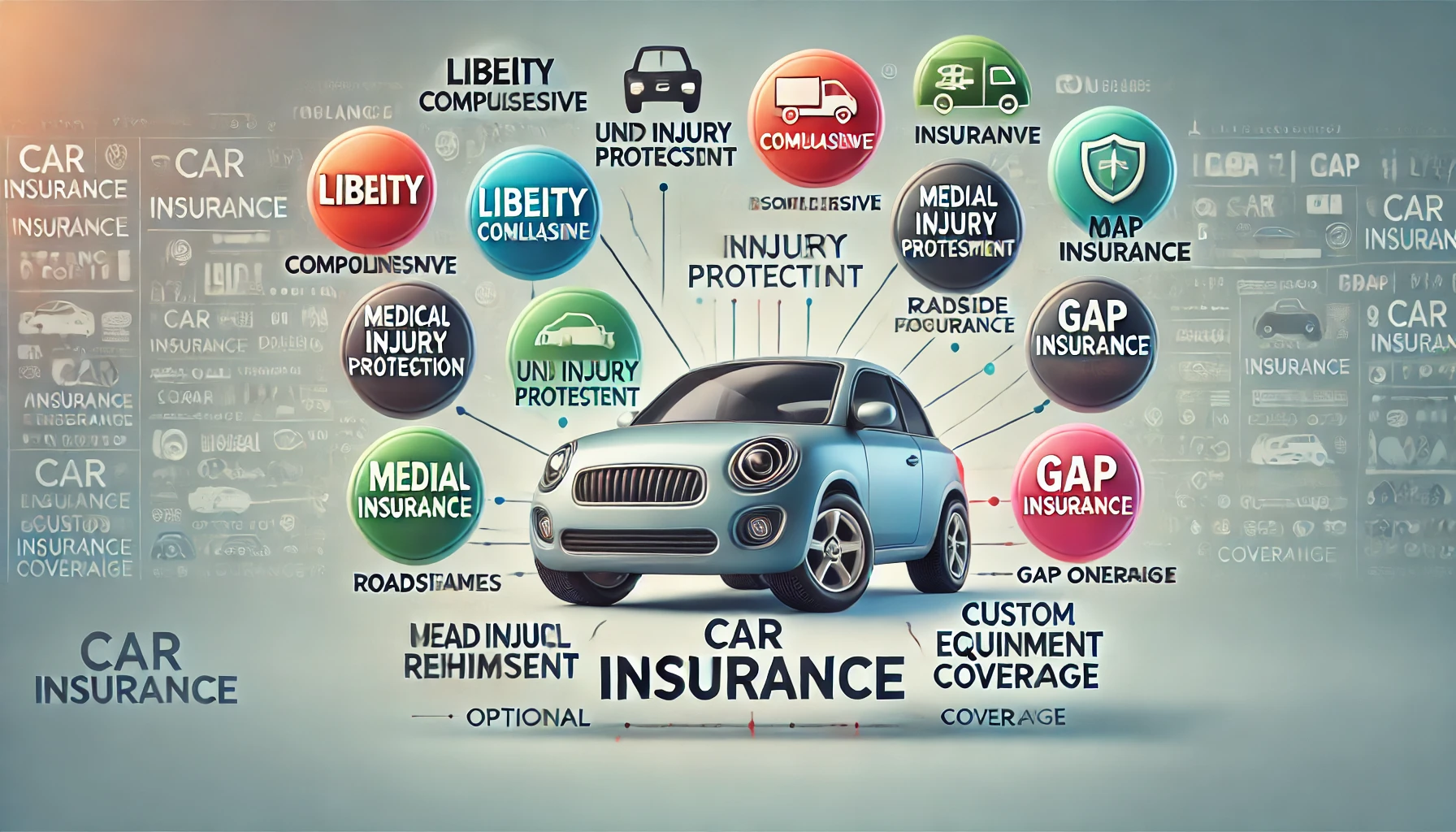
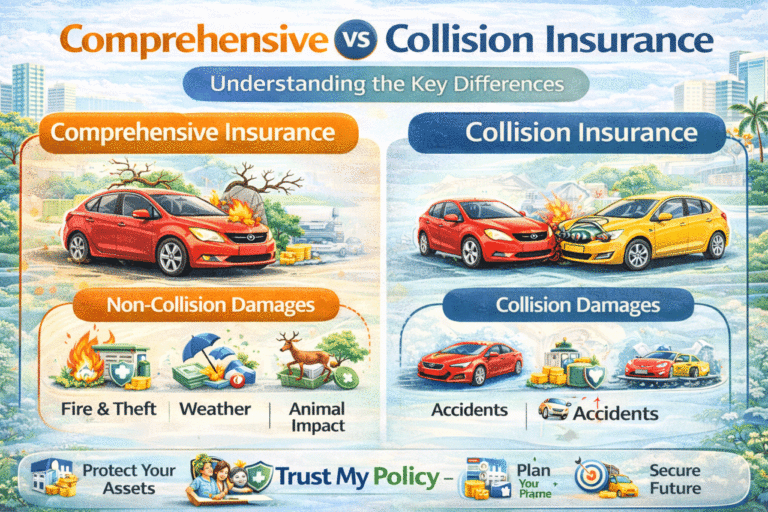
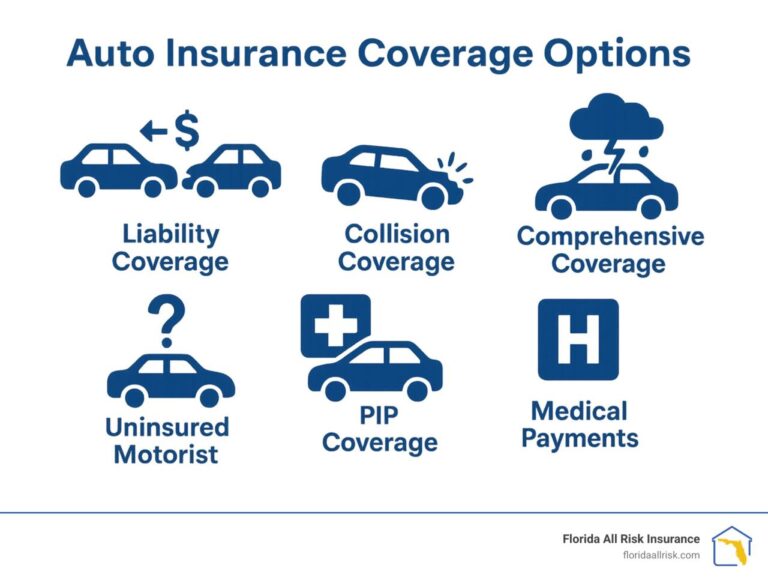
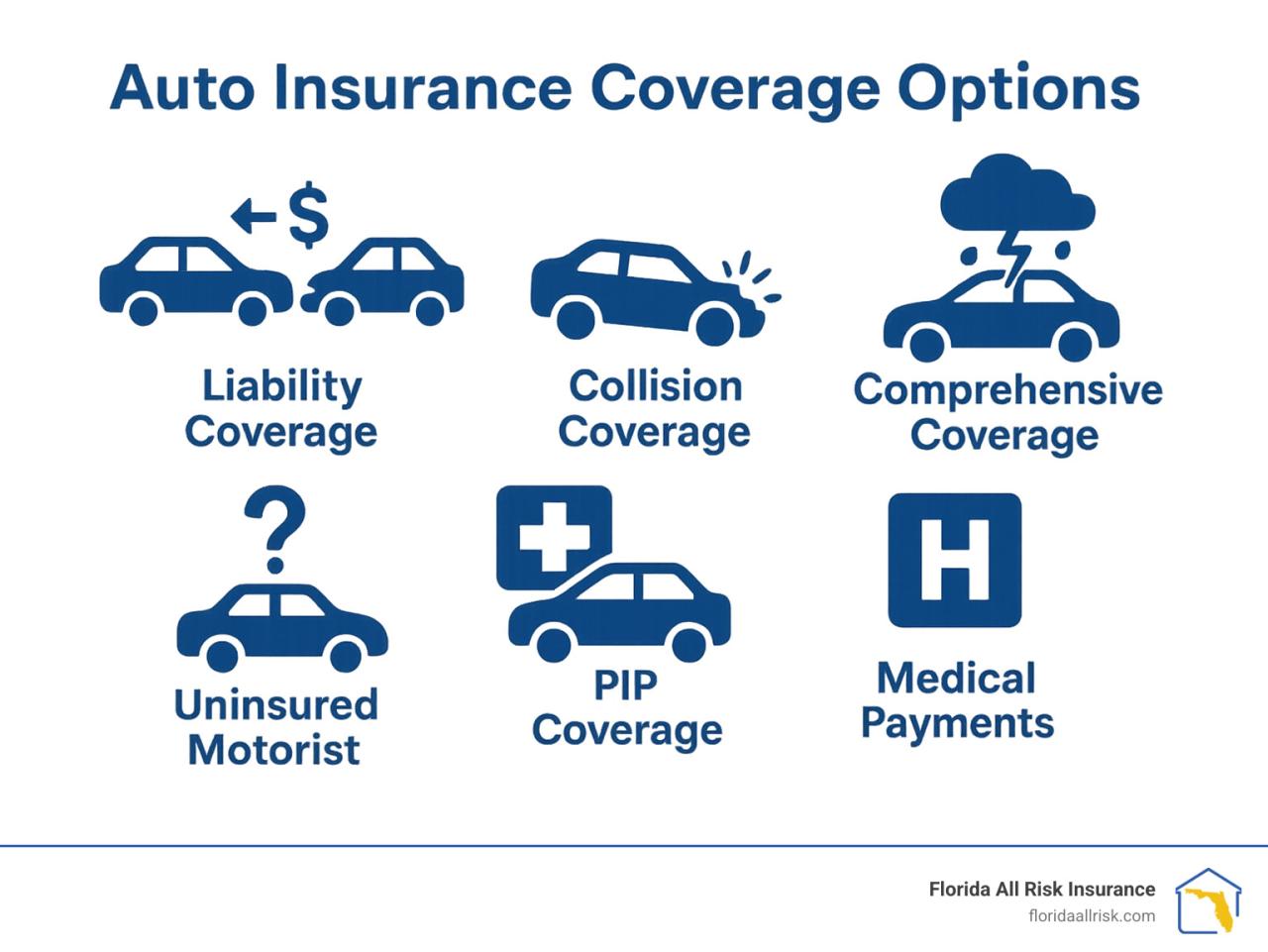
When it comes to high-risk car insurance, there are several coverage options available to ensure drivers are adequately protected in case of accidents or incidents on the road. These coverage options typically cater to drivers who may have a history of traffic violations, accidents, or poor credit scores, making them riskier to insure.
When it comes to high-risk car insurance, several factors come into play that can significantly impact the cost of coverage. These factors include the driver’s history, age, location, and the type of vehicle being insured.
A driver’s history plays a crucial role in determining high-risk car insurance costs. Accidents, traffic violations, and DUI convictions can label a driver as high-risk, leading to higher premiums. For example, a driver with multiple speeding tickets or at-fault accidents will likely pay more for insurance compared to someone with a clean driving record.
Age is another factor that insurance companies consider when calculating premiums for high-risk drivers. Younger drivers, especially teenagers, are often charged higher rates due to their lack of experience on the road and statistically higher likelihood of being involved in accidents.
On the other hand, older drivers may also face increased costs if they have a history of accidents or violations.
The location where a driver lives also affects high-risk car insurance costs. Urban areas with higher crime rates and traffic congestion tend to have more accidents, leading to higher premiums. Additionally, states with no-fault insurance laws may result in increased costs for all drivers, including those considered high-risk.
The type of vehicle being insured can impact high-risk car insurance costs as well. Sports cars, luxury vehicles, and models with high theft rates typically come with higher premiums. This is because these vehicles are more expensive to repair or replace, making them riskier to insure for high-risk drivers.
When it comes to high-risk car insurance, finding ways to save on premiums is essential for drivers looking to manage their costs effectively. By implementing certain strategies and making smart choices, high-risk drivers can potentially lower their insurance expenses. Here are some tips on how to save on high-risk car insurance:
Maintaining a clean driving record is one of the most effective ways to reduce insurance costs for high-risk drivers. By avoiding traffic violations, accidents, and other infractions, drivers can demonstrate responsible behavior on the road, which insurance companies typically reward with lower premiums.
Additionally, completing defensive driving courses or programs can help improve driving skills and signal to insurers that the driver is committed to safe practices.
Another way high-risk drivers can save on car insurance is by bundling policies. Combining auto insurance with other types of coverage, such as home or renter’s insurance, through the same provider can often lead to discounts on premiums. By consolidating policies with one insurer, drivers may be able to access reduced rates and overall savings on their insurance costs.
Increasing deductibles on car insurance policies is a common strategy for lowering premiums. While opting for a higher deductible means paying more out of pocket in the event of a claim, it can result in lower monthly or annual insurance payments.
High-risk drivers who are confident in their driving abilities and ability to avoid accidents may consider raising their deductibles as a way to save on insurance costs.
Participating in defensive driving courses is not only a way to improve driving skills but also a method to potentially reduce insurance premiums. Many insurance companies offer discounts to drivers who complete approved defensive driving programs, as these courses are designed to enhance safety awareness and promote responsible driving behaviors.
By investing time and effort in defensive driving education, high-risk drivers may be able to secure lower insurance rates and long-term savings.
What factors contribute to increased costs in high-risk car insurance?
Factors such as driving record, age, location, and type of vehicle can significantly impact the costs of high-risk car insurance.
How can high-risk drivers save on insurance premiums?
High-risk drivers can save on premiums by improving their driving records, bundling policies, increasing deductibles, or taking defensive driving courses.
What are the differences between standard car insurance and high-risk car insurance coverage options?
High-risk car insurance typically offers more limited coverage options and comes at a higher cost compared to standard car insurance.