Full Coverage Car Insurance: Costs, Benefits, and What Is Actually Covered
Delve into the world of Full Coverage Car Insurance: Costs, Benefits, and What Is Actually Covered with a captivating introduction that sparks curiosity and sets the stage for a comprehensive exploration of this essential topic.
Explore the intricacies of full coverage car insurance, shedding light on its costs, benefits, and coverage details that every driver should be aware of.
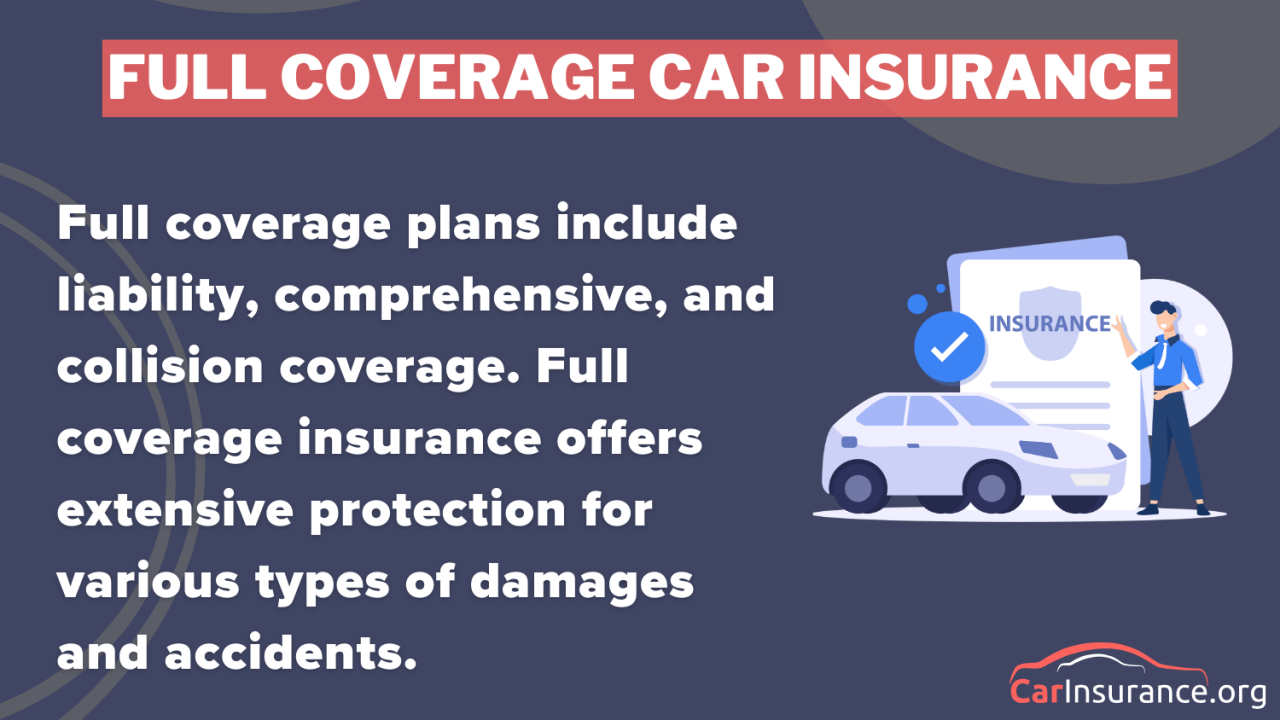
Full coverage car insurance is a type of auto insurance policy that provides extensive protection for your vehicle. Unlike basic liability insurance, which only covers damages to other parties in an accident, full coverage insurance includes comprehensive and collision coverage to protect your own vehicle as well.
Having full coverage car insurance is important because it offers financial security and peace of mind in case of accidents, theft, vandalism, or natural disasters. It can help cover the cost of repairs or replacement of your vehicle, medical expenses, and other damages that may arise from unexpected events.
When it comes to full coverage car insurance, the costs can vary depending on several factors. Understanding what impacts the cost of full coverage and how it compares to other types of car insurance can help you make an informed decision.
Additionally, there are ways to lower the cost of full coverage without compromising on the level of protection you receive.
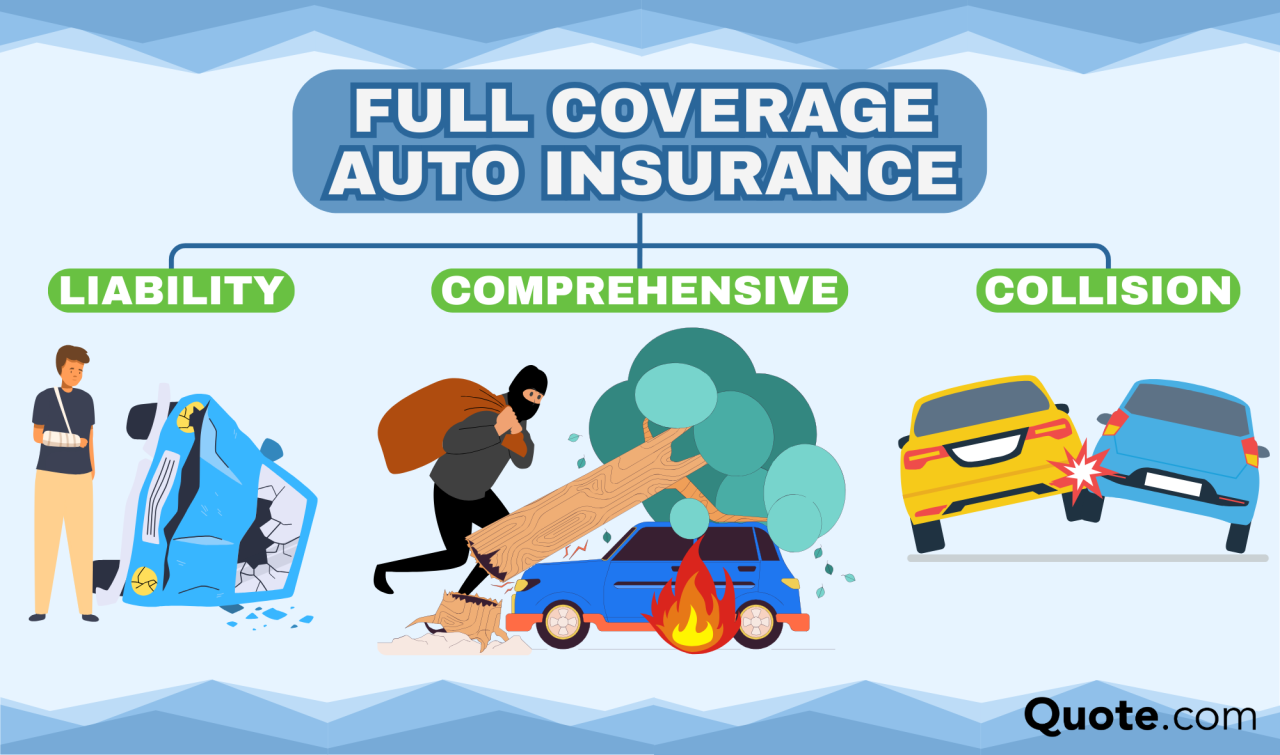
When it comes to car insurance, having full coverage can provide a wide range of benefits that can protect you in various situations. Let’s explore the advantages of having full coverage and how it can be a lifesaver for policyholders.
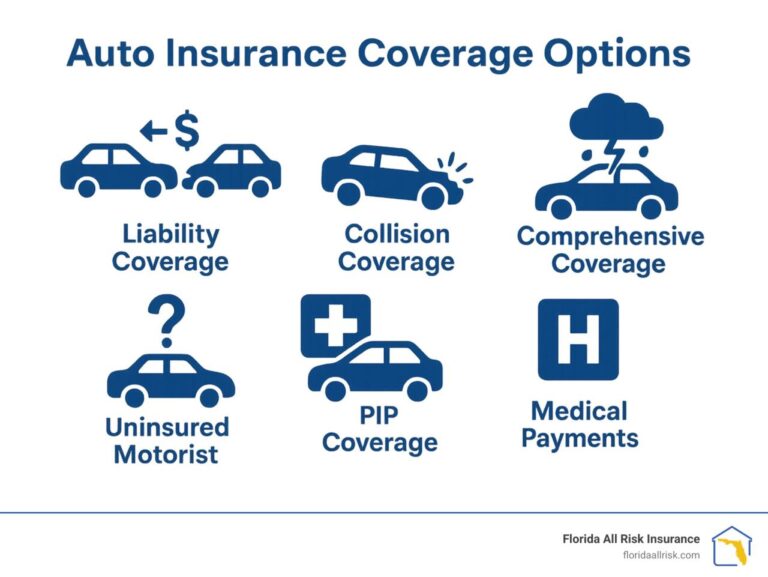
Full coverage car insurance typically includes both collision and comprehensive coverage. While collision coverage helps pay for damages to your vehicle in case of an accident, comprehensive coverage protects you from non-collision incidents such as theft, vandalism, or natural disasters.
Having both types of coverage ensures that you are financially protected in a variety of scenarios.
In addition to covering damages to your vehicle, full coverage car insurance often includes coverage for medical expenses resulting from an accident. This can help pay for hospital bills, rehabilitation costs, or even lost wages due to injuries sustained in a car accident.
With rising healthcare costs, having this coverage can provide peace of mind for policyholders.
One of the benefits of full coverage car insurance is the option for rental car reimbursement. In case your car is in the shop for repairs after an accident, this coverage can help cover the cost of a rental car, ensuring that you have a means of transportation while your vehicle is being fixed.
Full coverage car insurance often includes uninsured/underinsured motorist coverage, which protects you in case you are involved in an accident with a driver who does not have insurance or does not have enough coverage to pay for damages. This coverage can be crucial in situations where the other party is at fault but unable to cover the costs.
Overall, the main benefit of having full coverage car insurance is the peace of mind it provides. Knowing that you are protected in various situations, from accidents to theft to medical expenses, can give you the confidence to hit the road without worrying about the financial repercussions of unforeseen events.
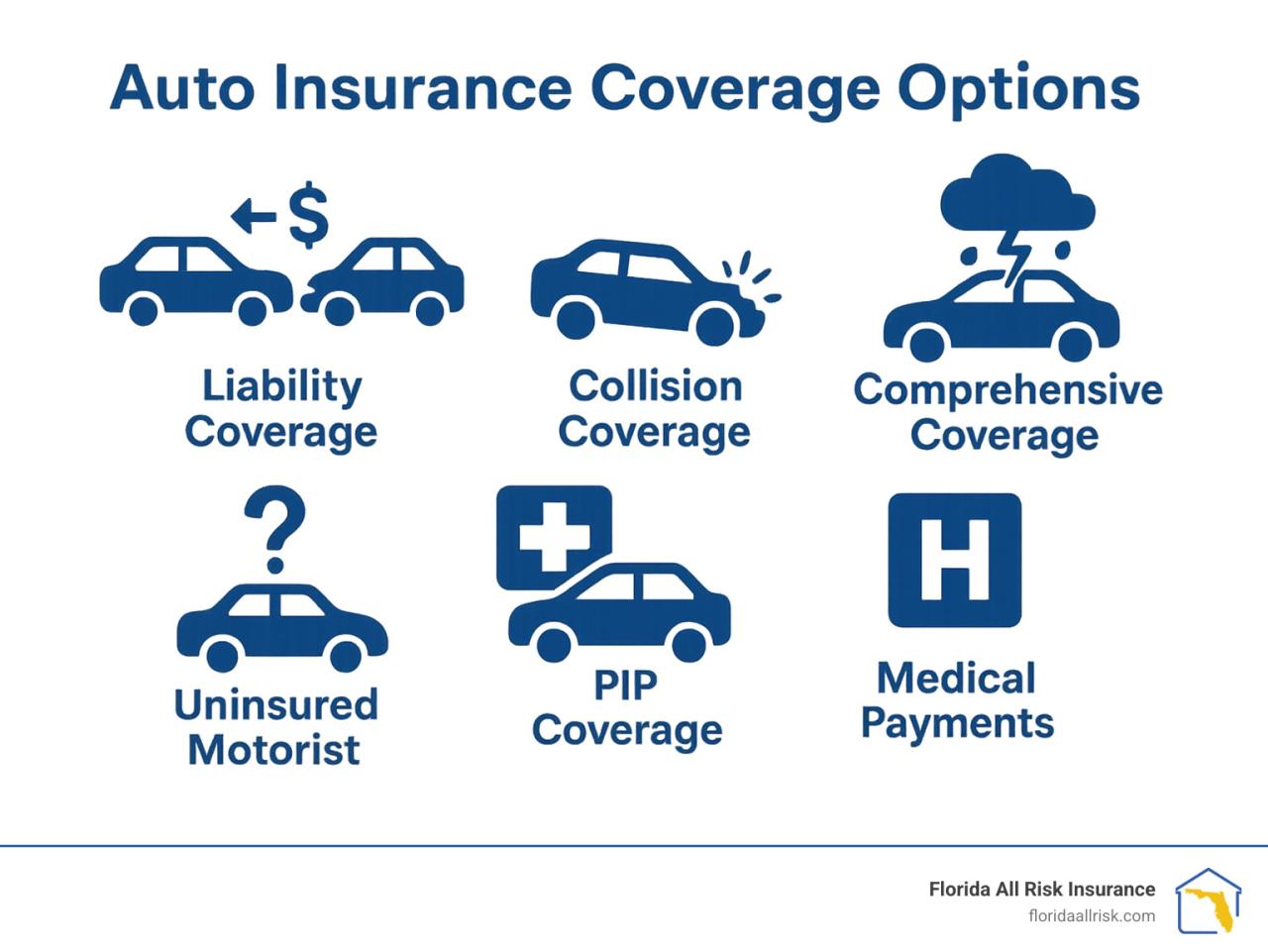
When it comes to full coverage car insurance, it’s important to understand what is actually covered to ensure you have the protection you need in various situations. Here, we will break down the components typically included in full coverage, explain what is not covered despite the name, and provide a detailed breakdown of coverage for different types of incidents.
Full coverage car insurance typically includes the following components:
Despite the name, full coverage car insurance does not cover everything. There are certain situations and items that are typically not covered, such as:
When it comes to different types of incidents, full coverage car insurance provides varying levels of protection:
What does full coverage car insurance entail?
Full coverage car insurance typically includes liability coverage, collision coverage, comprehensive coverage, and uninsured/underinsured motorist coverage.
Can full coverage car insurance be expensive?
Yes, full coverage car insurance tends to be pricier due to the extensive protection it offers compared to basic coverage options.
Does full coverage car insurance cover all types of incidents?
While full coverage is comprehensive, it may not cover certain incidents like intentional damage or regular wear and tear.