Comprehensive vs Collision Insurance: Which Coverage Do You Really Need?
Beginning with Comprehensive vs Collision Insurance: Which Coverage Do You Really Need?, the narrative unfolds in a compelling and distinctive manner, drawing readers into a story that promises to be both engaging and uniquely memorable.
Providing a detailed insight into the world of insurance, this article aims to shed light on the complexities of choosing between comprehensive and collision coverage, offering valuable advice and guidance to readers navigating this important decision.
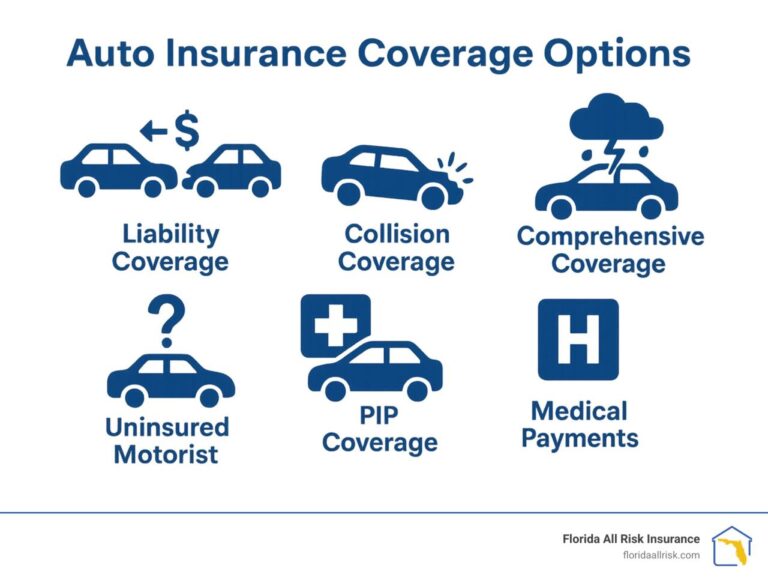
Comprehensive and collision insurance are two types of coverage that can protect you from financial losses in case of damage to your vehicle. Let’s take a closer look at what each type of insurance covers and when they would be beneficial.
Comprehensive insurance provides coverage for damages to your vehicle that are not caused by a collision. This can include damage from theft, vandalism, natural disasters, falling objects, or hitting an animal.
Collision insurance, on the other hand, covers damages to your vehicle that result from a collision with another vehicle or object, regardless of fault. This can include accidents with other cars, hitting a tree, or colliding with a guardrail.
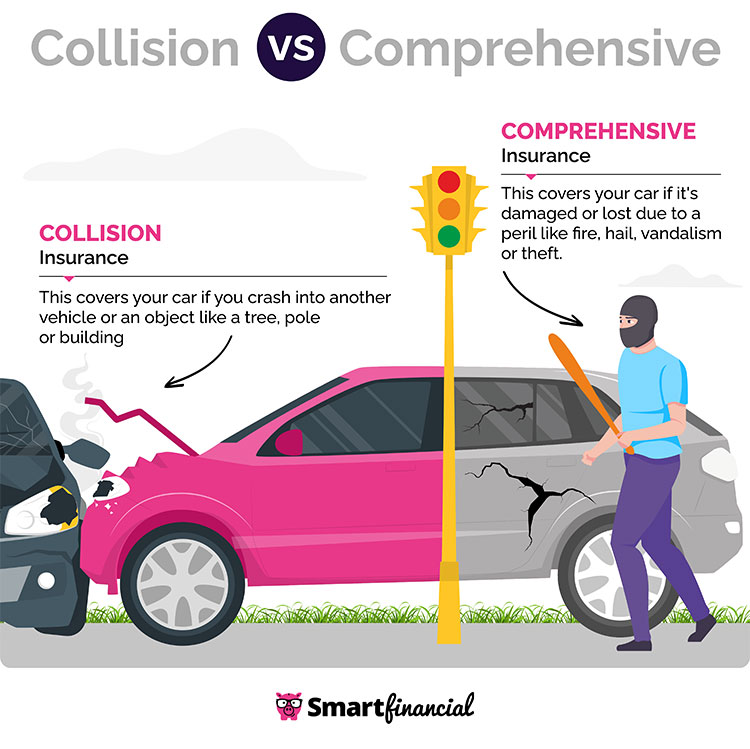
When it comes to comprehensive and collision insurance, it’s important to understand the key differences between the two types of coverage to make an informed decision about which one is right for you.Comprehensive insurance typically covers damage to your vehicle that is not caused by a collision, such as theft, vandalism, natural disasters, or hitting an animal.
On the other hand, collision insurance covers damage to your vehicle that occurs as a result of a collision with another vehicle or object.
It is generally recommended to have both comprehensive and collision insurance if you want full protection for your vehicle. Comprehensive insurance can help cover a wide range of non-collision related incidents, while collision insurance ensures you’re covered in the event of a collision.
Comprehensive insurance can provide coverage for incidents such as theft, vandalism, fire, falling objects, and damage from animals.
Collision insurance helps cover the cost of repairs or replacement if your vehicle is damaged in a collision with another vehicle or object.
When you have both comprehensive and collision insurance, you have a more comprehensive level of coverage. Comprehensive insurance can cover incidents that collision insurance does not, while collision insurance ensures you’re protected in the event of a collision. Together, they provide a well-rounded protection plan for your vehicle.
When deciding between comprehensive and collision insurance, there are several important factors to take into account. These factors can greatly influence the type of coverage that best suits your needs and circumstances.
The age of your vehicle is a crucial factor in determining whether you need comprehensive or collision insurance. Older vehicles may not require comprehensive coverage, as the cost of repairs or replacement may not justify the premiums. On the other hand, newer vehicles may benefit from comprehensive coverage to protect against a wider range of risks.
Your driving habits play a significant role in choosing the right insurance coverage. If you frequently drive in high-risk areas or have a history of accidents, comprehensive coverage may be more suitable to protect against theft, vandalism, or natural disasters.
Conversely, if you are a safe driver with minimal risk exposure, collision insurance may be a more cost-effective option.
Budget considerations are essential when selecting insurance coverage. Comprehensive insurance typically comes with higher premiums due to the broader coverage it offers. If budget constraints are a concern, collision insurance may be a more affordable choice while still providing protection in the event of an accident.
To determine the most suitable coverage for your situation, it is important to assess your individual needs carefully. Consider factors such as the value of your vehicle, your financial stability, and your risk tolerance. By evaluating these aspects, you can make an informed decision on whether comprehensive or collision insurance is the right choice for you.
It is essential to compare the costs and benefits of comprehensive and collision insurance to make an informed decision. While comprehensive coverage may offer more extensive protection, collision insurance may be more cost-effective for some drivers. Evaluate the premiums, deductibles, coverage limits, and exclusions of each type of insurance to determine which option aligns best with your needs and preferences.
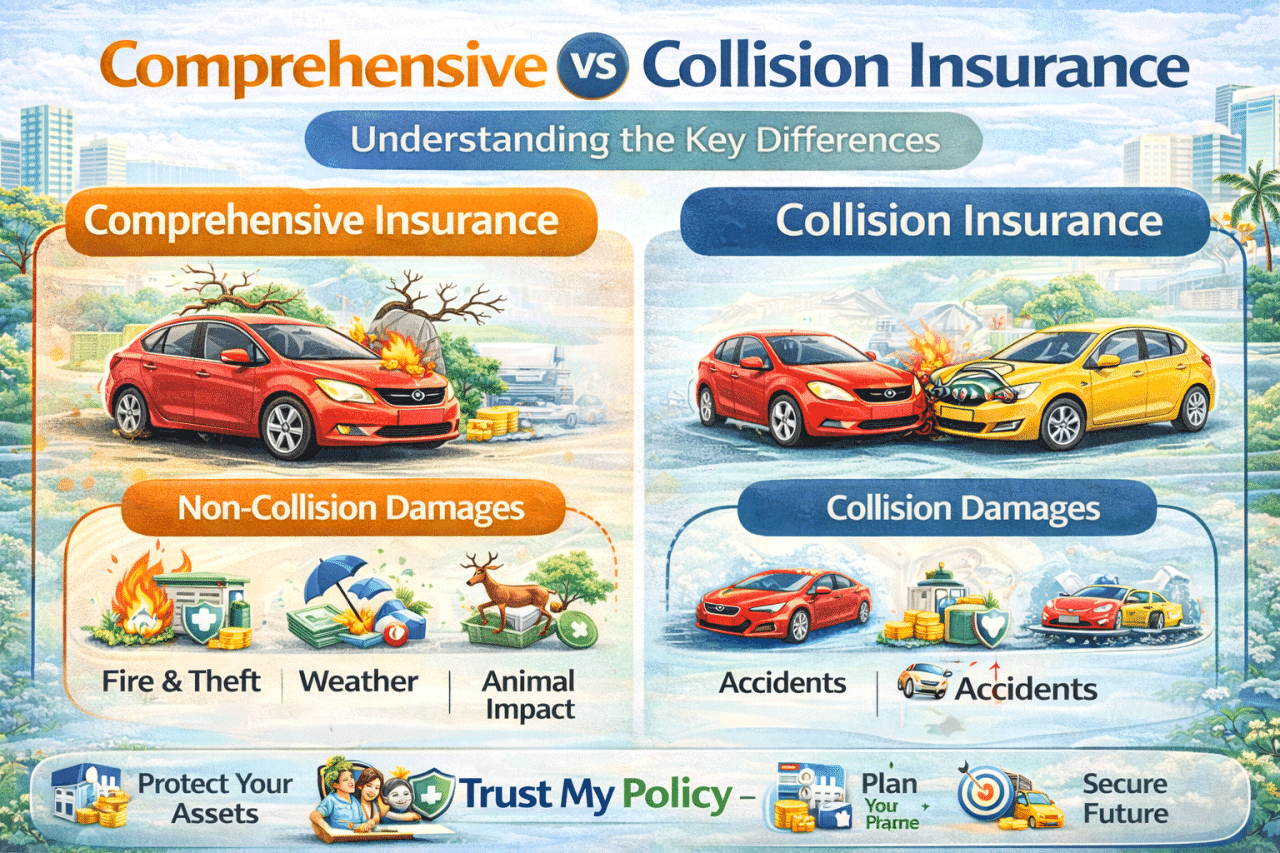
When it comes to comprehensive and collision insurance, there are several common misconceptions that can lead to confusion. Let’s address some of these myths and provide clarity on the coverage limits, deductibles, and claims processes for each type of insurance.
Comprehensive insurance does cover a wide range of damages, such as theft, vandalism, and natural disasters. However, it does not cover everything, like regular wear and tear or mechanical failures. It’s essential to review your policy to understand the specific coverage limits.
While collision insurance does cover accidents with other vehicles, it also applies to collisions with objects like trees, poles, or fences. This coverage is crucial for repairing or replacing your vehicle after any collision-related damage.
While opting for a higher deductible can lower your premiums, it also means you’ll have to pay more out of pocket before your insurance kicks in. Consider your financial situation and how much you can afford to pay in case of an accident when deciding on a deductible.
While filing a claim can impact your rates, it’s not always a guarantee. Some insurance companies offer accident forgiveness programs or may not raise your rates if it’s your first claim. Be sure to check with your provider to understand how a claim could affect your premiums.
While carrying both comprehensive and collision insurance can increase your premiums, it provides more extensive coverage and protection for your vehicle. Consider the value of your car, your driving habits, and your budget to determine the right balance between coverage and cost.
What is the main difference between comprehensive and collision insurance?
Comprehensive insurance typically covers damage to your vehicle from incidents other than collisions, such as theft or natural disasters. Collision insurance covers damage resulting from a collision with another vehicle or object.
Is it necessary to have both comprehensive and collision insurance?
It depends on your individual circumstances and preferences. While both types of coverage offer protection for your vehicle, you may choose to have one or the other based on factors like your driving habits and budget.
How can I determine if I need comprehensive or collision insurance?
Assessing the value of your vehicle, your driving history, and the likelihood of different types of incidents can help you decide which coverage is more suitable for your needs. Consider consulting with an insurance agent for personalized advice.
Are there any common myths about comprehensive and collision insurance?
One common misconception is that comprehensive insurance covers everything, which is not true. It’s important to understand the specific coverage limits and exclusions of each type of insurance to avoid any surprises when making a claim.