Car Insurance After an Accident: How Claims Can Affect Your Premium
Car Insurance After an Accident: How Claims Can Affect Your Premium sets the stage for this intriguing discussion, offering readers an insightful look into the intricate world of insurance premiums post-accident.
Exploring the factors impacting premium adjustments, understanding the claims process, types of coverage available, and tips for managing premiums will provide a comprehensive view of the topic.
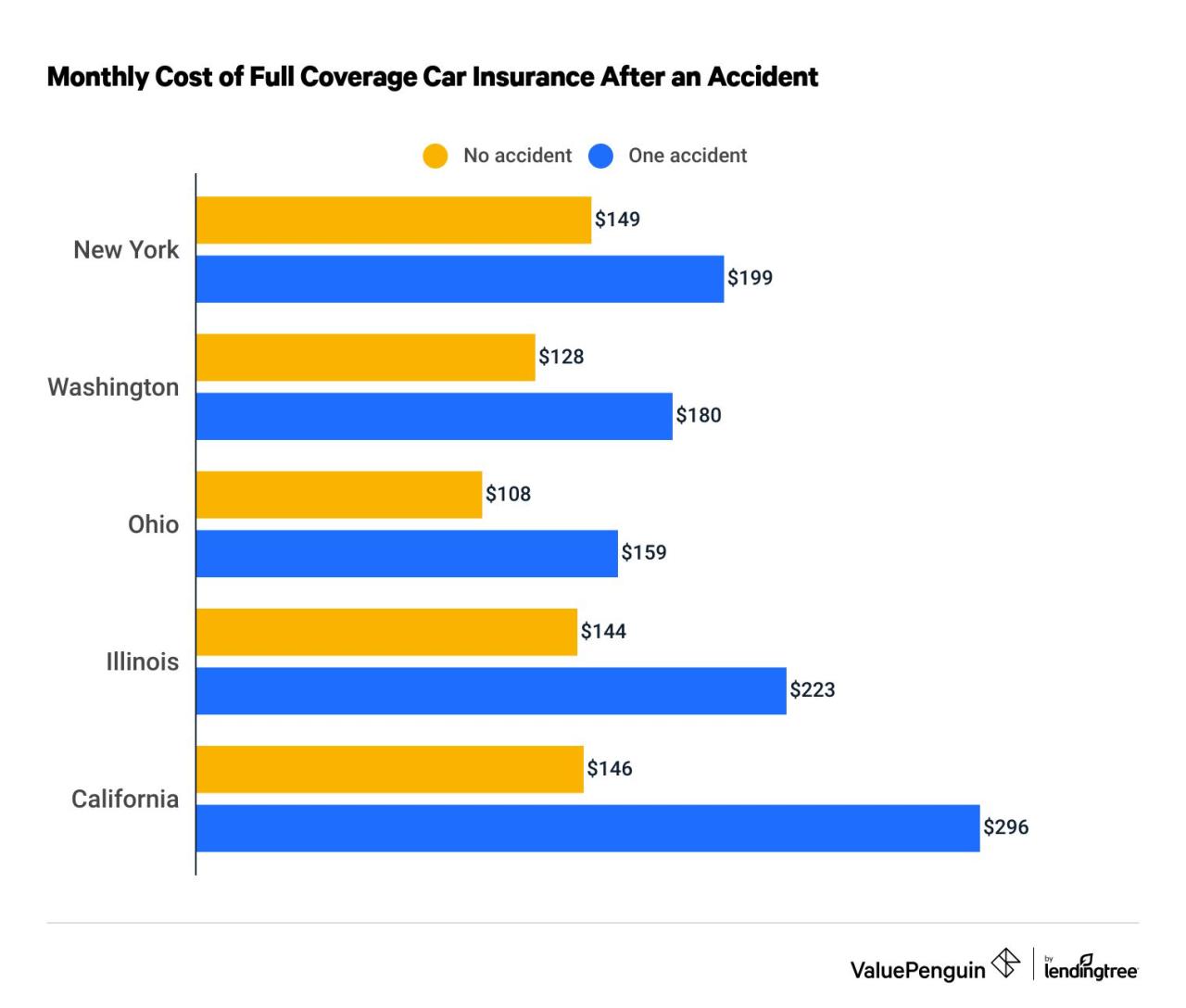
After being involved in a car accident, several factors come into play when it comes to determining how your insurance premiums may be affected.
When you are deemed at fault for an accident, it is likely that your insurance premiums will increase. Insurance companies view at-fault accidents as a higher risk, leading to a potential hike in your premium rates.
Your claim history plays a significant role in determining how much your premiums may increase after an accident. If you have a history of filing multiple claims, insurers may see you as a higher risk and adjust your premiums accordingly.
The severity of the accident can also impact how much your premiums will increase. A minor fender-bender may result in a smaller premium adjustment compared to a major collision that caused significant damage.
If you have a history of being involved in frequent accidents, insurance companies may consider you a higher risk driver and increase your premium rates to offset the potential for future claims.
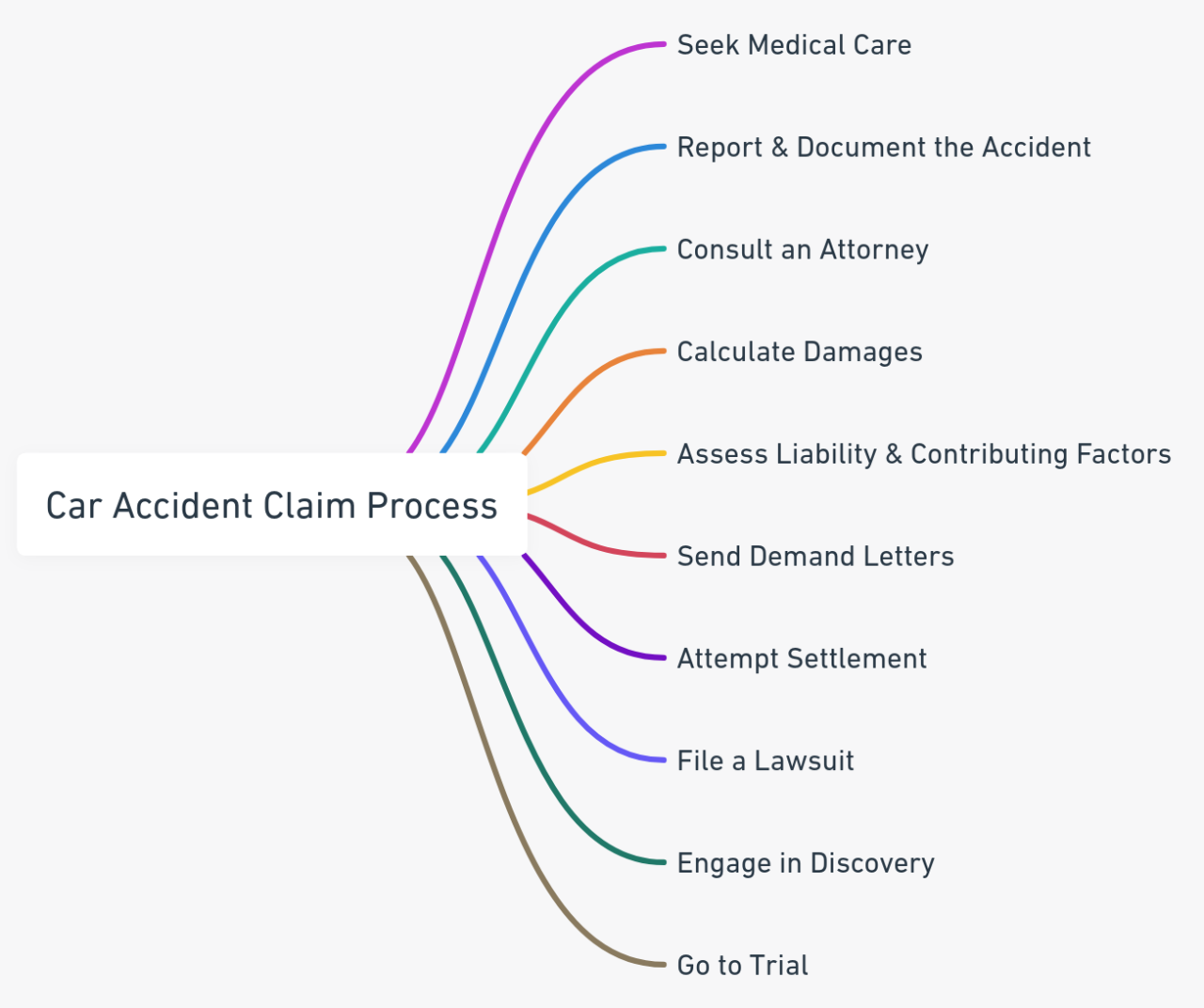
After being involved in a car accident, understanding the claims process is crucial to ensure a smooth and efficient resolution. Here is an overview of the steps involved in filing a car insurance claim, the importance of documenting the accident, how fault determination can impact the outcome, and the role of adjusters in assessing damage and processing claims.
Documenting the accident with photographs, witness statements, and police reports can significantly strengthen your claim. This evidence can help in proving fault and the extent of damages, ensuring a fair and accurate assessment by the insurance company.
Fault determination plays a crucial role in the outcome of your claim. If you are found at fault, your insurance premium may increase, and you may be responsible for covering a portion of the damages.
Insurance adjusters are responsible for evaluating the extent of damage to your vehicle and determining the cost of repairs or replacement. They play a vital role in processing claims efficiently and fairly, ensuring that you receive the compensation you are entitled to under your policy.
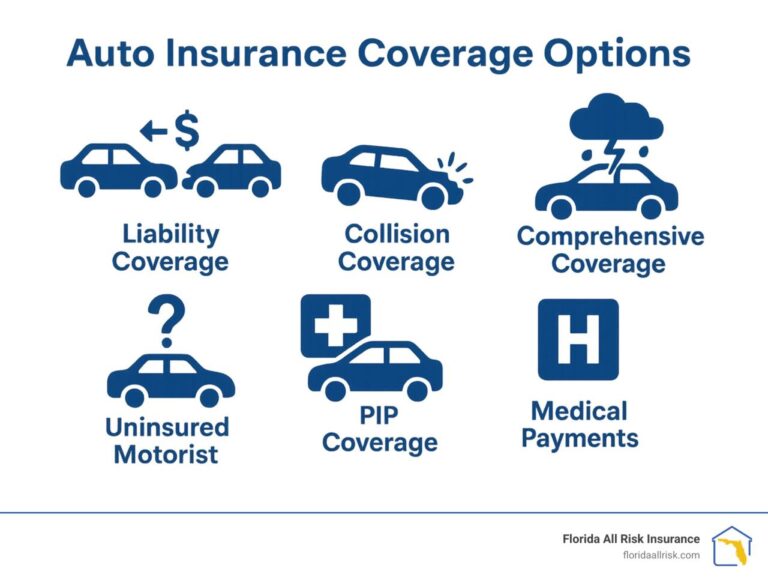
When it comes to car insurance coverage post-accident, there are several types of coverage options available to protect you in different scenarios. Let’s explore the key types of car insurance coverage you may encounter after an accident.
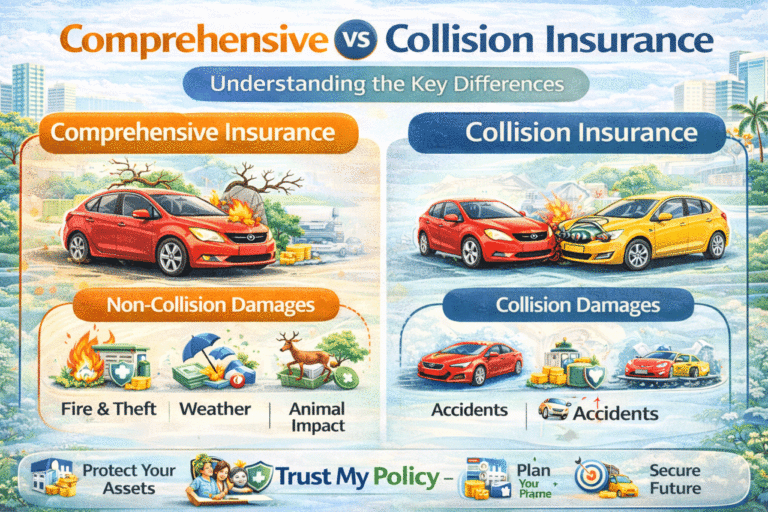
Collision coverage and comprehensive coverage are two types of coverage that can help pay for damages to your vehicle. Collision coverage typically covers damage to your car resulting from a collision with another vehicle or object, regardless of fault. On the other hand, comprehensive coverage helps cover damages to your car caused by events like theft, vandalism, or natural disasters.
It’s important to understand the differences between these two types of coverage to ensure you have the right protection in place.
Liability coverage is another crucial type of car insurance that comes into play after an accident. This coverage helps pay for damages and injuries you cause to others in an accident where you are at fault. It’s a mandatory coverage in most states and helps protect you financially in case you are sued for causing an accident.
Uninsured/underinsured motorist coverage is designed to protect you if you are in an accident with a driver who does not have insurance or enough insurance to cover your damages. This coverage can help pay for medical expenses, lost wages, and other damages resulting from an accident with an uninsured or underinsured driver.
It’s a valuable coverage to have to ensure you are protected in such situations.
Personal Injury Protection (PIP) is a type of coverage that can be utilized post-accident to cover medical expenses and lost wages for you and your passengers, regardless of who is at fault. PIP coverage is particularly beneficial in states with no-fault insurance laws, as it provides coverage for your own injuries regardless of fault.
It can help you access necessary medical treatment and support in the aftermath of an accident.
After an accident, it’s crucial to take steps to manage your car insurance premiums effectively. Here are some strategies to help you minimize premium increases and maintain affordable coverage.
One way to lower your premiums post-accident is by opting for a higher deductible. By increasing the amount you pay out of pocket before your insurance kicks in, you can lower your monthly premiums. However, make sure you can afford the higher deductible in case of another accident.
Consider bundling your car insurance with other policies, such as homeowners or renters insurance. Insurance companies often offer discounts for bundling multiple policies, which can help offset any premium increases resulting from an accident.
A clean driving record is essential for keeping your car insurance premiums low. After an accident, focus on driving safely and avoiding any further incidents. Many insurance companies offer discounts for drivers with a clean record, so staying accident-free can help mitigate any premium hikes.
How do at-fault accidents impact insurance premiums?
At-fault accidents typically lead to higher insurance premiums due to the increased risk associated with the driver.
What role does claim history play in determining premium increases?
Claim history is crucial as insurers use it to assess your risk level, which can result in higher premiums if you have a history of frequent claims.
How can choosing a higher deductible help lower premiums?
Opting for a higher deductible means you’ll pay more out of pocket in the event of a claim, which can reduce your premium costs.