Cheap Car Insurance: How to Lower Your Premium Without Losing Coverage
Cheap Car Insurance: How to Lower Your Premium Without Losing Coverage sets the stage for this informative journey, offering readers insights into balancing cost and coverage while exploring various strategies to reduce premiums.
Exploring the factors that influence car insurance premiums and ways to optimize savings without compromising on protection is key in the realm of car insurance.

Car insurance premiums refer to the amount of money you pay to your insurance company in exchange for coverage on your vehicle. These premiums are influenced by various factors and play a crucial role in determining the overall cost of your car insurance policy.
Choosing the right car insurance policy involves striking a balance between cost and coverage. While it may be tempting to opt for the cheapest premium available, it’s essential to ensure that you have adequate coverage to protect yourself in the event of an accident or other unforeseen circumstances.
By understanding the factors that influence your premiums, you can make informed decisions to lower your premium without sacrificing the coverage you need.
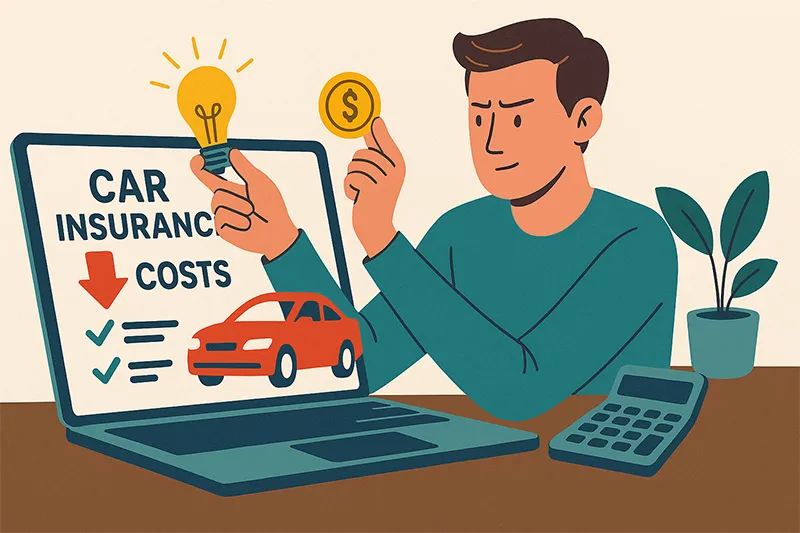
When it comes to lowering your car insurance premiums, there are several strategies you can consider to help reduce your costs without sacrificing coverage.
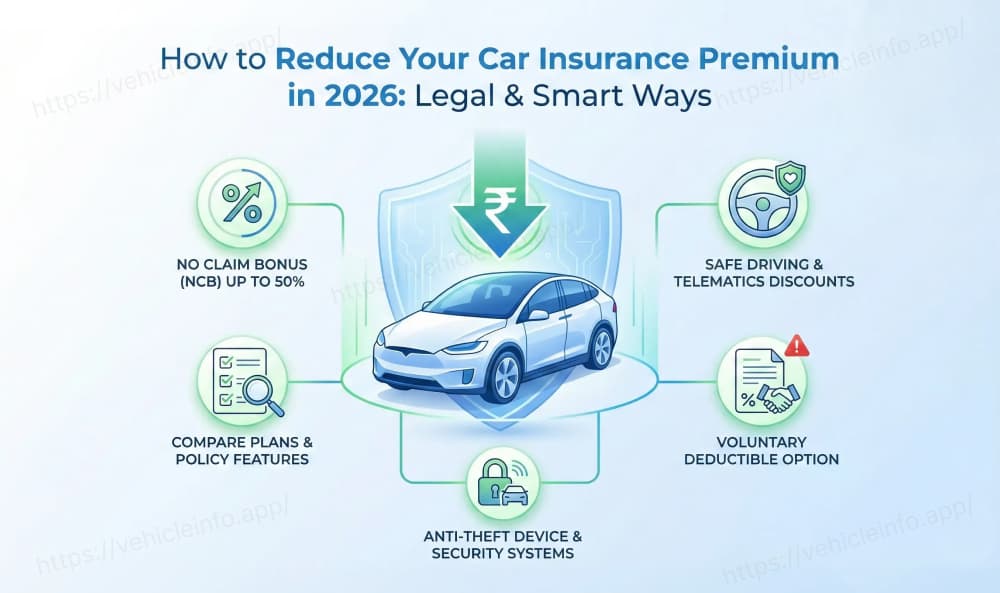
When looking to lower your car insurance premiums, taking advantage of discounts offered by insurance companies can be a great way to save money. Below are some common discount options that may help reduce your costs:
Many insurance companies offer discounts when you bundle multiple policies together, such as combining your car insurance with your homeowner’s or renter’s insurance. This can lead to significant cost savings on your overall insurance premiums.
Insurance companies often provide discounts to policyholders who exhibit safe driving habits, such as avoiding accidents and traffic violations. Additionally, taking defensive driving courses can also qualify you for discounts on your car insurance premiums. These courses can help improve your driving skills and reduce the risk of accidents, making you a lower-risk driver in the eyes of insurers.
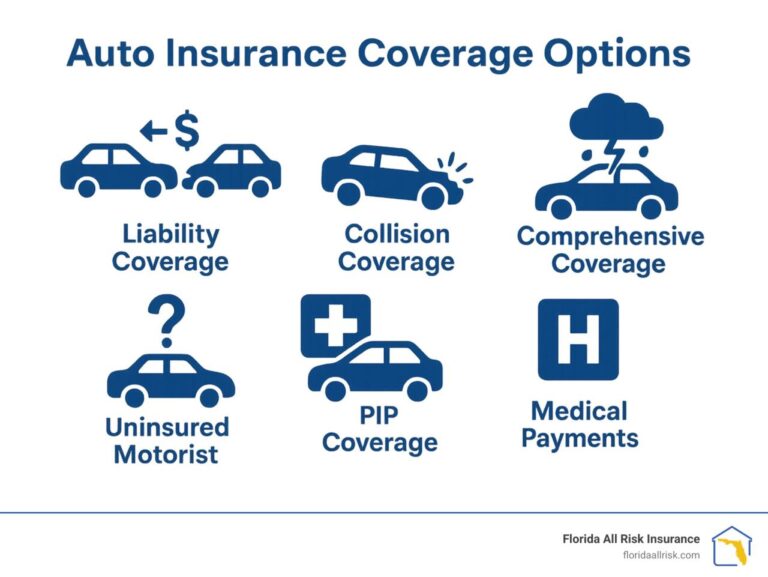
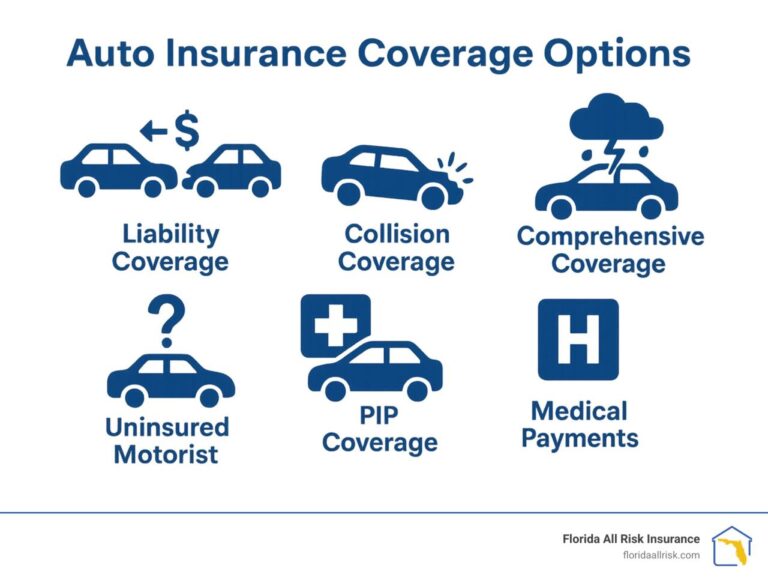
When it comes to choosing the right coverage for your car insurance, it’s essential to consider your individual needs and financial situation. Understanding the difference between liability, collision, and comprehensive coverage can help you make an informed decision that provides adequate protection without breaking the bank.
Liability coverage is typically required by law and helps cover costs associated with injuries to others or damage to their property in an accident where you are at fault. It does not cover your own injuries or vehicle damage.
Collision coverage helps pay for repairs to your vehicle if you’re in an accident, regardless of fault. This coverage is especially beneficial if you have a newer or more valuable car.
Comprehensive coverage protects your vehicle from non-collision incidents like theft, vandalism, or natural disasters. It’s a good option for those looking for added peace of mind.
Choosing a higher deductible means you’ll have to pay more out of pocket in the event of a claim, but it can significantly lower your monthly premiums. Consider your financial situation and driving habits to determine the right deductible for you.
What is the importance of maintaining a good credit score for lower premiums?
Maintaining a good credit score can lead to lower car insurance premiums as insurers often consider credit history as a factor in determining rates.
How can bundling multiple policies lead to cost savings?
Bundling multiple policies, such as car and home insurance, with the same insurer can often result in discounted rates for each policy, leading to overall cost savings.
What is the difference between liability, collision, and comprehensive coverage?
Liability covers damages to others in an accident you cause, collision covers damages to your car in an accident, and comprehensive covers damages from non-collision incidents like theft or vandalism.