Exterior Wall Upgrade Cost: Which Materials Offer the Best Value?
Exterior Wall Upgrade Cost: Which Materials Offer the Best Value? sets the stage for this enthralling narrative, offering readers a glimpse into a story that is rich in detail with a focus on cost-effective materials for exterior wall upgrades.
As we dive into the specifics of different materials, their costs, and durability, readers will gain valuable insights into making informed decisions for their exterior wall upgrades.
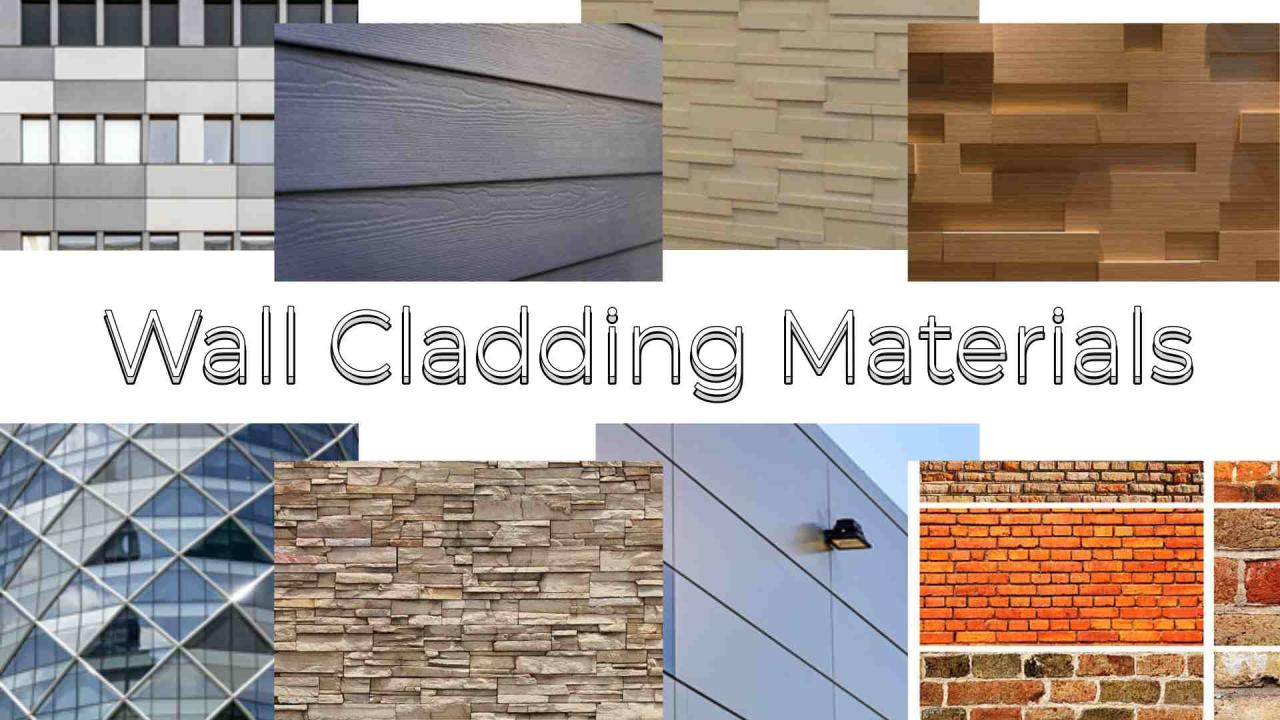
When considering an exterior wall upgrade, choosing the right material is crucial for both cost-effectiveness and durability. Let’s explore some common types of exterior wall materials and their pros and cons.
Brick is a classic choice for exterior walls due to its timeless appeal and durability. While it may have a higher initial cost compared to other materials, brick is known for its longevity and low maintenance requirements. Projects that use brick as an exterior material often exude a sense of elegance and sophistication.
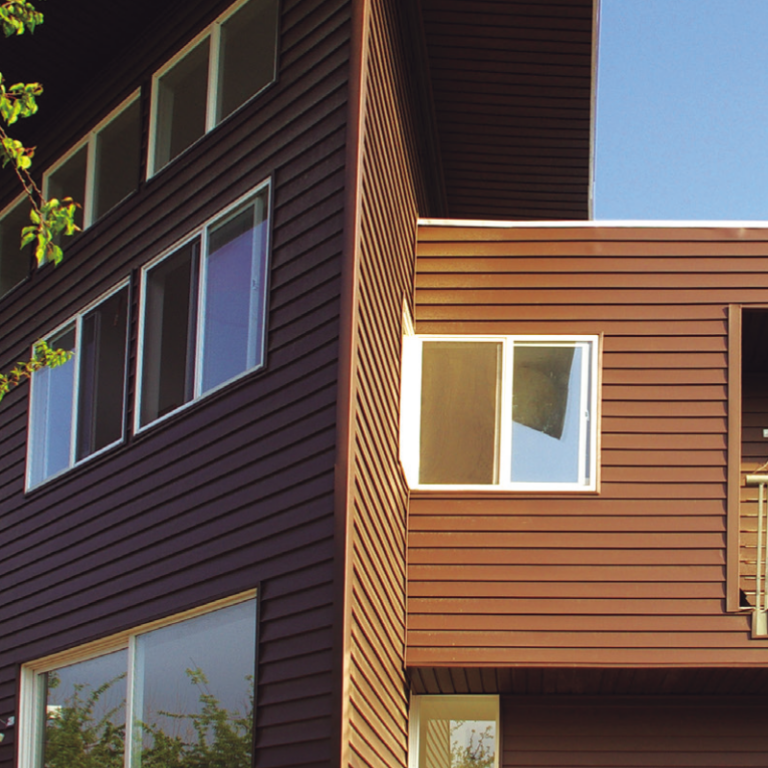
Vinyl siding is a popular choice for those looking for a budget-friendly option. It is relatively inexpensive to install and comes in a variety of colors and styles. However, vinyl siding may not be as durable as other materials, and it can be prone to fading or cracking over time.
Despite this, many homeowners opt for vinyl siding due to its affordability.
Wood is a versatile material that can give a warm and natural look to a home’s exterior. While wood siding can be more expensive than vinyl, it offers a unique aesthetic that many homeowners find appealing. However, wood requires regular maintenance to prevent rot and insect damage, which can add to the overall cost over time.
Fiber cement is a durable and low-maintenance option for exterior walls. It is resistant to rot, fire, and pests, making it a popular choice for many homeowners. While fiber cement may have a higher upfront cost, its long lifespan and minimal maintenance needs can make it a cost-effective choice in the long run.
Stucco is a material made of cement, sand, and lime, giving it a unique texture and appearance. It is a durable material that can withstand various weather conditions. However, stucco may require occasional repairs and repainting to maintain its appearance, which can add to the overall cost of using this material.
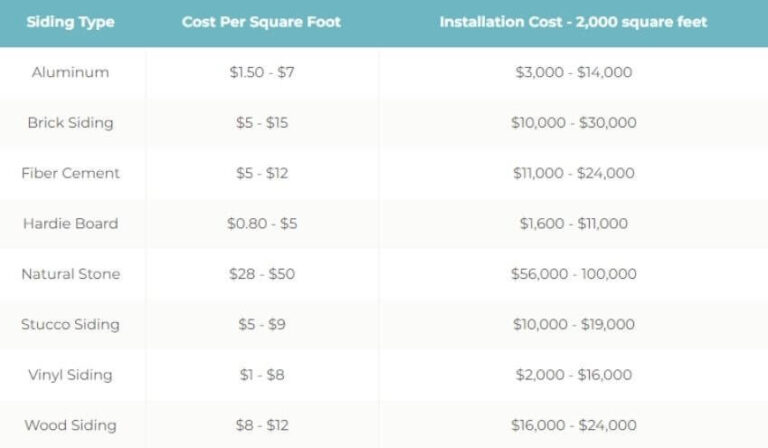
When considering the cost of upgrading exterior walls, it is crucial to analyze the expenses associated with different materials. The choice of material can significantly impact the overall value of the upgrade, so understanding the cost breakdown is essential.
Brick is a popular choice for exterior walls due to its durability and classic look. However, it tends to be one of the more expensive options. The cost of brick can vary depending on factors such as the quality of the brick, labor costs for installation, and the size of the project.
Vinyl siding is a more budget-friendly option compared to brick. It is easy to install, requires minimal maintenance, and comes in a variety of colors and styles. The cost of vinyl siding is typically lower than brick, making it a cost-effective choice for many homeowners.
Wood is another common material used for exterior walls, offering a natural and warm aesthetic. The cost of wood can vary depending on the type of wood chosen, with options ranging from cedar to redwood. Factors such as maintenance requirements and longevity should also be considered when evaluating the overall cost.
Stucco is a versatile material that can provide a unique texture to exterior walls. The cost of stucco installation can vary based on factors such as the quality of the stucco mix, labor costs, and the size of the project.
While stucco can be a cost-effective option, it is essential to consider long-term maintenance and repair costs.
Several factors can influence the cost of upgrading exterior walls, including the size of the project, labor costs, material quality, and additional features such as insulation or decorative elements. It is essential to consider these factors when assessing the overall cost of the upgrade.
The cost of materials plays a significant role in determining the overall value of upgrading exterior walls. While more expensive materials like brick may offer durability and a timeless look, cost-effective options like vinyl siding can provide a similar aesthetic at a lower price point.
Ultimately, the choice of material should align with your budget and long-term maintenance goals to ensure the upgrade adds value to your property.
When it comes to upgrading your exterior walls, choosing sustainable and eco-friendly materials not only benefits the environment but can also have a positive impact on the overall cost and value of your project.
Using recycled materials such as reclaimed wood, recycled metal, or recycled plastic composite can significantly reduce the environmental impact of your upgrade. These materials not only help in waste reduction but also add a unique and rustic charm to your exterior walls.
Integrating a living wall, also known as a green wall, into your exterior design can bring numerous benefits. Not only does it improve air quality and insulation, but it also adds a touch of nature to your property. By incorporating plants into your walls, you create a sustainable and visually appealing upgrade.
When considering exterior wall materials for an upgrade, it is crucial to take into account the maintenance requirements and longevity of each option. These factors not only impact the overall appearance of your home but also affect the long-term costs associated with upkeep and repairs.
Considering the maintenance requirements and longevity of exterior wall materials is essential in determining the overall value of your upgrade.
What are some eco-friendly exterior wall materials commonly used in upgrades?
Some commonly used eco-friendly materials include reclaimed wood, fiber cement, and recycled metal, which offer sustainability benefits while enhancing the value of the upgrade.
How do maintenance costs impact the overall value of an exterior wall upgrade?
Maintenance costs play a crucial role in the long-term value of an upgrade. Materials that require minimal maintenance can result in cost savings over time, making them a more valuable choice.

![How Much Does House Cladding Cost? [2026 Data] | Angi](https://wvr.radarbanten.co.id/wp-content/uploads/2026/09/siding-worth-768x512.jpg)