
Metal vs Timber Cladding: Cost, Maintenance and Lifespan Compared
Kicking off with Metal vs Timber Cladding: Cost, Maintenance and Lifespan Compared, this opening paragraph is designed to captivate and engage the readers, providing a glimpse of the comparison between metal and timber cladding in terms of cost, maintenance, and lifespan.
Exploring the factors that influence costs, maintenance requirements, and lifespan analysis of both metal and timber cladding will shed light on the considerations for anyone looking to choose between these options.
When it comes to cladding options for your building, cost is a significant factor to consider. Let’s delve into the cost elements of metal and timber cladding to help you make an informed decision.
Metal cladding costs can vary based on several factors:
Timber cladding is generally more affordable than metal cladding due to:
For metal cladding, you can save costs by:
When it comes to timber cladding, cost-saving measures include:
Metal and timber cladding have different maintenance needs, which can impact the long-term costs and lifespan of the cladding material.
Metal cladding typically requires less maintenance compared to timber cladding. The primary maintenance tasks for metal cladding involve regular cleaning to remove dirt, dust, and debris. Additionally, metal cladding may need to be inspected for signs of corrosion or damage, especially in areas prone to harsh weather conditions.
Repainting or recoating metal cladding may also be necessary to protect it from corrosion and maintain its appearance.
Timber cladding requires more maintenance compared to metal cladding due to its susceptibility to moisture, rot, and pests. Regular maintenance tasks for timber cladding include cleaning to remove dirt and mildew, as well as applying a protective finish such as paint, stain, or sealant to prevent moisture penetration and decay.
Inspecting timber cladding for signs of damage, rot, or pest infestation is crucial to ensure its longevity.
In the long run, timber cladding may incur higher maintenance costs compared to metal cladding due to the need for more frequent inspections, cleaning, and refinishing. The protective finishes applied to timber cladding also require periodic renewal to maintain their effectiveness against moisture and pests.
On the other hand, metal cladding’s maintenance costs are generally lower, primarily consisting of periodic cleaning and inspections for damage. Overall, the choice between metal and timber cladding should consider not only the initial cost but also the long-term maintenance requirements and associated costs.
Metal vs Timber Cladding: Cost, Maintenance and Lifespan ComparedWhen considering the lifespan of cladding materials, it is essential to understand how long each type can last and the factors that can influence their longevity. Let’s delve into the comparison between metal and timber cladding in terms of durability and lifespan.
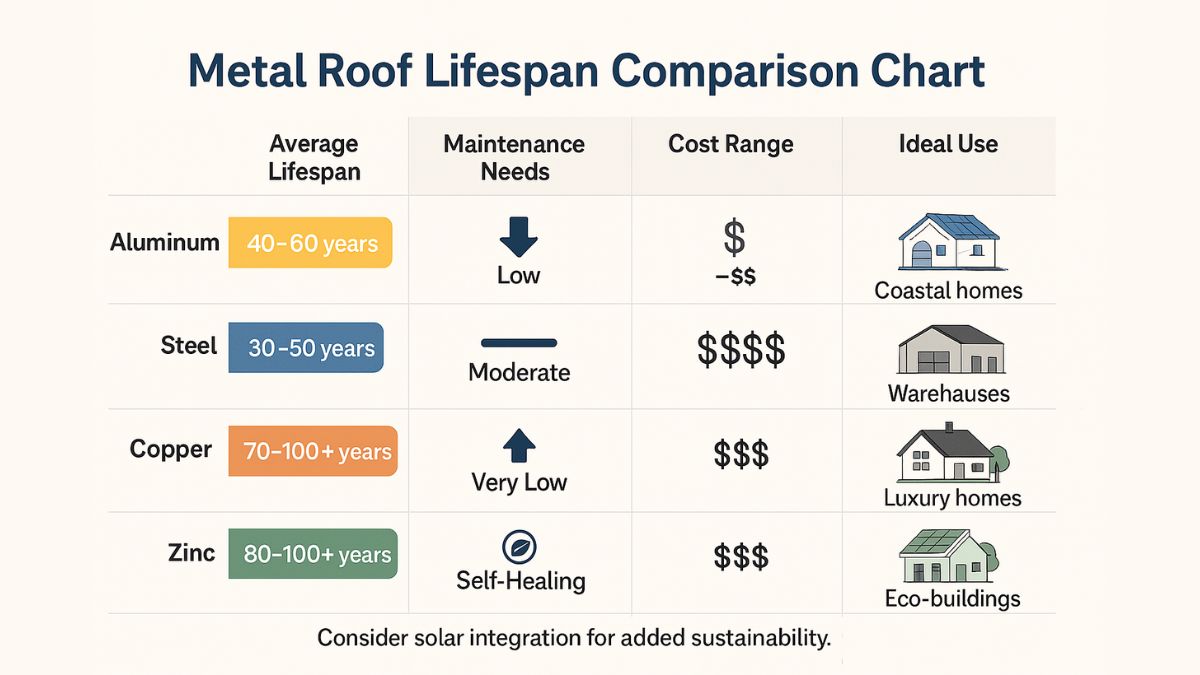
Metal cladding is known for its exceptional longevity, with a typical lifespan ranging from 40 to 60 years. This durability is due to the inherent strength of metal materials, which can withstand harsh weather conditions and resist corrosion over time.
The lifespan of timber cladding can vary significantly based on several factors. Exposure to moisture, sunlight, and pests are primary concerns that can accelerate the deterioration of timber. Proper maintenance, such as regular painting, staining, and sealing, can help extend the lifespan of timber cladding.
When comparing the durability and longevity of metal versus timber cladding, metal cladding generally outperforms timber in terms of lifespan. Metal cladding requires minimal maintenance and is less susceptible to rot, decay, and insect infestation compared to timber. While timber cladding can last around 15 to 30 years with proper care, metal cladding offers a longer lifespan of 40 to 60 years, making it a more durable and cost-effective option in the long run.
What factors influence the cost of metal cladding?
Factors such as material quality, installation complexity, and size of the project can impact the cost of metal cladding.
How do maintenance needs differ between metal and timber cladding?
Metal cladding generally requires less maintenance compared to timber cladding, which may need regular staining or sealing to prevent deterioration.
What affects the lifespan of timber cladding?
Factors like exposure to elements, quality of the wood, and maintenance practices can influence the lifespan of timber cladding.