
Car Insurance for Multiple Vehicles: How Multi-Car Policies Work
Exploring the realm of Car Insurance for Multiple Vehicles: How Multi-Car Policies Work, readers are invited into a world where the complexities of insurance are unravelled, shedding light on the intricacies of covering multiple vehicles.
This introductory paragraph sets the stage for a comprehensive discussion on the workings of multi-car policies, delving deep into the nuances of premiums, coverage, and benefits.
Multi-car insurance policies are insurance packages that cover multiple vehicles under a single policy. This type of policy is designed to simplify the insurance process for households or families with more than one vehicle.
There are several benefits to opting for a multi-car insurance policy. Firstly, it can lead to cost savings as insurance companies often offer discounts for insuring multiple vehicles under one policy. This can result in lower premiums compared to insuring each vehicle separately.
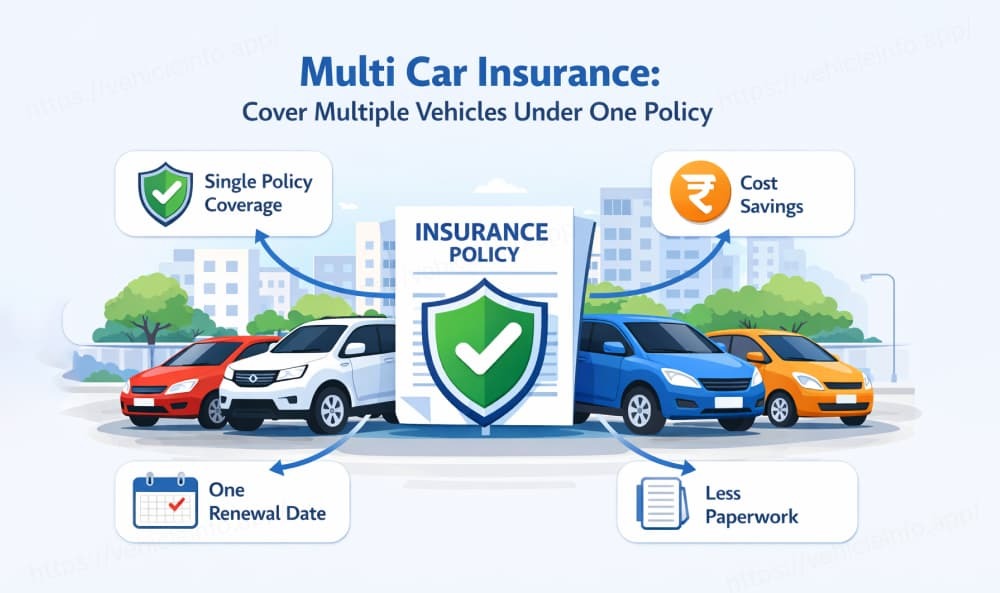
When it comes to multi-car insurance policies, there are specific ways in which premiums are calculated, coverage is distributed, and discounts are offered.
When it comes to adding vehicles to an existing multi-car insurance policy, the process is usually straightforward but may vary depending on the insurance provider.
When it comes to car insurance, choosing between individual policies for each vehicle or a multi-car policy can significantly impact your costs and convenience. Let’s explore the key differences and factors to consider when comparing the two options.
Individual policies for each vehicle generally tend to be more expensive compared to a multi-car policy. Insuring multiple vehicles under a single policy often leads to discounts and lower premiums, resulting in cost savings for policyholders.
Opting for a multi-car policy allows you to manage all your vehicles under a single policy, streamlining the process of renewals, payments, and claims. This centralized approach can save time and effort, as you only need to deal with one insurance provider for all your vehicles.
Individual policies might be more beneficial in certain scenarios, such as when vehicles have different insurance needs or usage patterns. For example, if one vehicle requires specialized coverage or if drivers have significantly different risk profiles, individual policies tailored to each vehicle’s requirements could be more suitable.
When it comes to multi-car insurance policies, several factors come into play when determining the premiums. Understanding these factors can help you make informed decisions and potentially lower your insurance costs.
The type of vehicles you include in your multi-car policy can significantly impact the premiums. Generally, insuring multiple cars of different makes, models, or values may result in higher premiums compared to insuring vehicles of similar types. High-performance or luxury vehicles typically cost more to insure due to their higher repair and replacement costs.
Another crucial factor that influences multi-car insurance premiums is the driving records of the individuals listed on the policy. Drivers with a history of accidents, traffic violations, or DUI convictions are considered high-risk by insurance companies. As a result, having multiple drivers with poor records on the policy can lead to increased premiums.
On the other hand, maintaining a clean driving record and ensuring all drivers on the policy have good driving histories can help lower insurance costs.
In addition to the type of vehicles and drivers’ records, other variables can affect the premiums of multi-car insurance policies. Factors such as the location where the vehicles are primarily driven, the annual mileage of each car, and the coverage limits selected can all influence the overall cost of insuring multiple vehicles.
Additionally, bundling other insurance policies, such as homeowners or renters insurance, with your multi-car policy may qualify you for discounts and reduce your premiums.
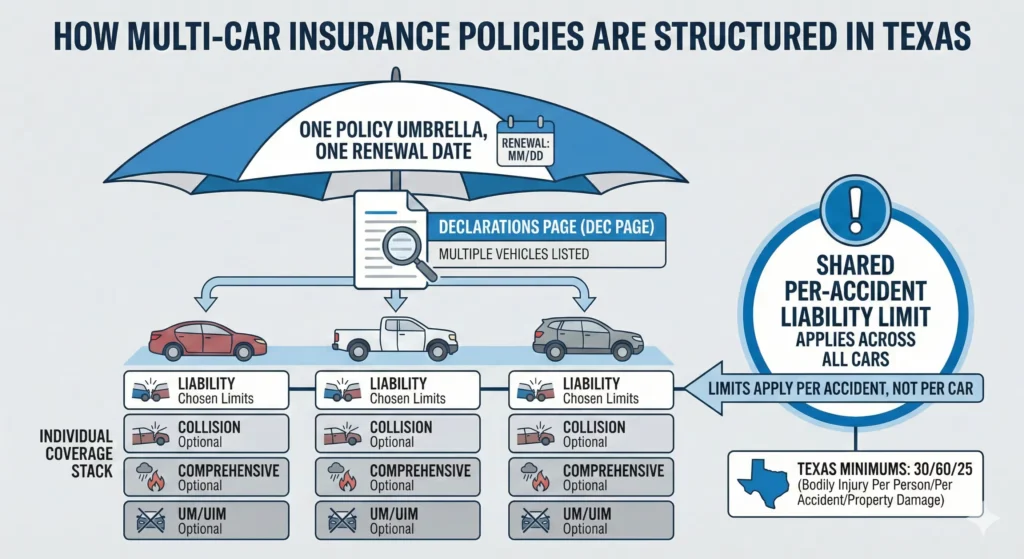
When it comes to insuring multiple vehicles under a multi-car policy, there are different coverage options available for each vehicle. Let’s explore whether coverage levels can vary for each vehicle or if they are standardized, as well as provide examples of situations where customized coverage for each vehicle may be necessary.
In a multi-car policy, coverage levels can typically vary for each vehicle. This means that you can choose different levels of coverage for each vehicle based on individual needs and driving habits. For example, you may opt for comprehensive coverage for a newer vehicle, while choosing basic liability coverage for an older vehicle.
While coverage levels can vary, some insurance providers may offer standardized coverage for all vehicles under a multi-car policy. This means that all vehicles will have the same level of coverage, which can simplify the policy management process but may not be ideal if each vehicle has different insurance needs.
Customized coverage for each vehicle may be necessary in situations where vehicles have different values, usage patterns, or risk factors. For instance, a high-performance sports car may require additional coverage for specialized parts, while a family sedan may need coverage for child car seats.
By customizing coverage for each vehicle, you can ensure that you have adequate protection based on individual circumstances.
How are premiums calculated for multi-car policies?
Premiums for multi-car policies are typically calculated based on factors such as the number of vehicles insured, the driving records of the policyholders, and the types of vehicles being covered. Insurers may offer discounts for insuring multiple vehicles under one policy.
Can coverage levels vary for each vehicle under a multi-car policy?
Yes, coverage levels can often be customized for each vehicle under a multi-car policy. This allows policyholders to tailor their coverage based on the specific needs of each vehicle.
When is it more beneficial to opt for individual policies instead of a multi-car policy?
Opting for individual policies may be more beneficial when the vehicles have vastly different insurance needs or when the drivers of each vehicle have significantly different driving records. In such cases, individual policies can provide tailored coverage for each vehicle.