
Electric Vehicle Insurance Cost: Are EVs More Expensive to Insure?
Exploring the realm of Electric Vehicle Insurance Cost: Are EVs More Expensive to Insure? sets the stage for a deep dive into the intriguing world of insurance costs for EVs. Get ready to uncover the factors, costs disparities, discounts, and future trends in this captivating discussion.
Delve into the details of how various aspects influence insurance premiums for electric vehicles and discover the unique incentives available to EV owners.
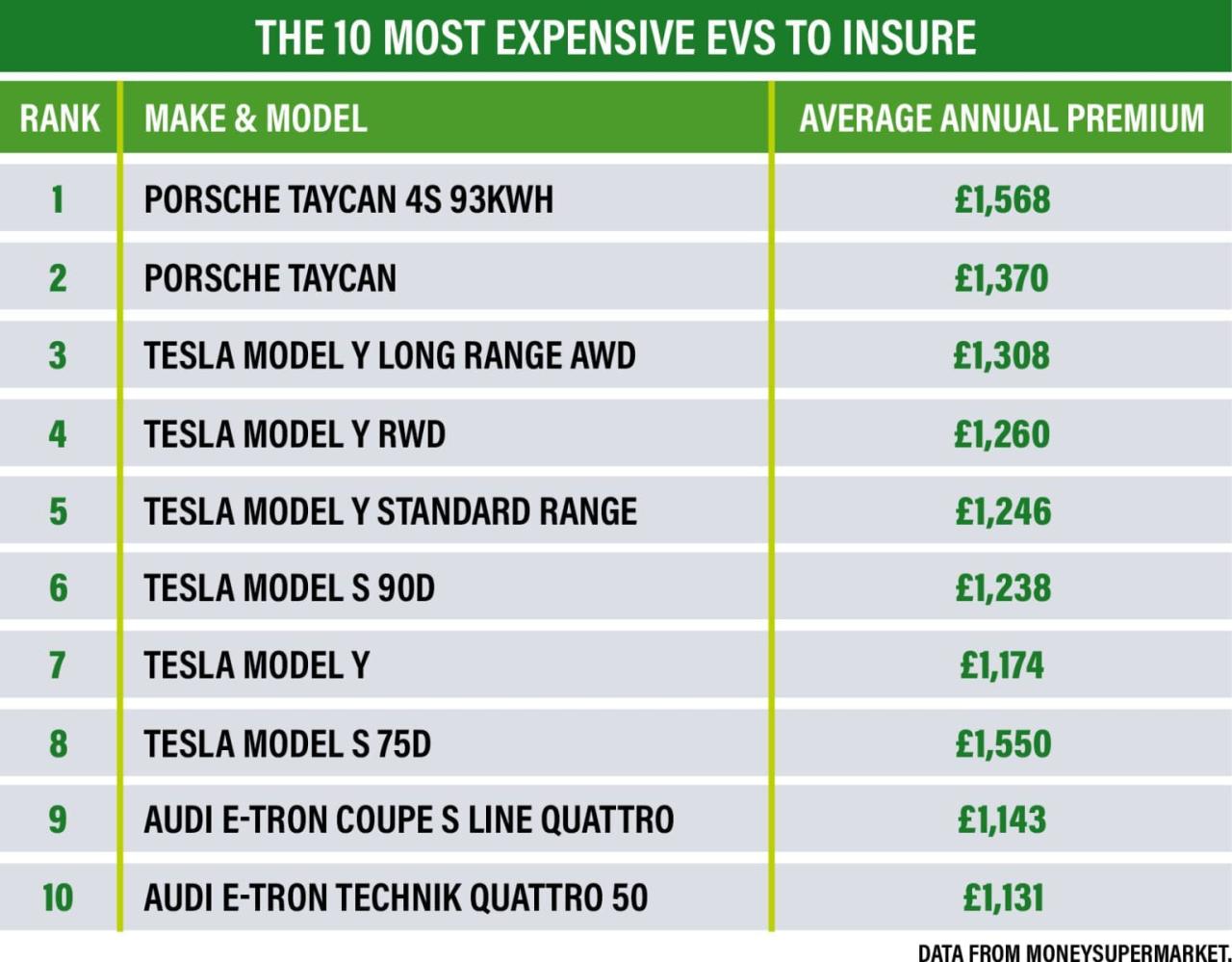
When it comes to determining insurance costs for electric vehicles, insurance companies take various factors into consideration. These factors can significantly impact the insurance premiums for EV owners. Let’s take a closer look at some of the key factors that influence the insurance cost for electric vehicles.
The make and model of the electric vehicle play a crucial role in determining insurance costs. Generally, more expensive EV models will have higher insurance premiums due to the cost of repairs or replacement in case of an accident. For example, insuring a luxury electric car like a Tesla Model S will likely be more expensive than insuring a more affordable option like a Nissan Leaf.
Driver demographics, such as age, gender, driving history, and location, also impact insurance costs for electric vehicles. Younger or less experienced drivers may face higher premiums, as they are considered higher risk. Additionally, living in an area with high rates of accidents or thefts can also lead to increased insurance costs for EV owners.
The safety features of an electric vehicle can influence insurance premiums as well. EVs equipped with advanced safety technologies like automatic emergency braking, lane-keeping assist, and adaptive cruise control may qualify for discounts on insurance premiums. These features can reduce the likelihood of accidents and mitigate damages, resulting in lower insurance costs for EV owners.
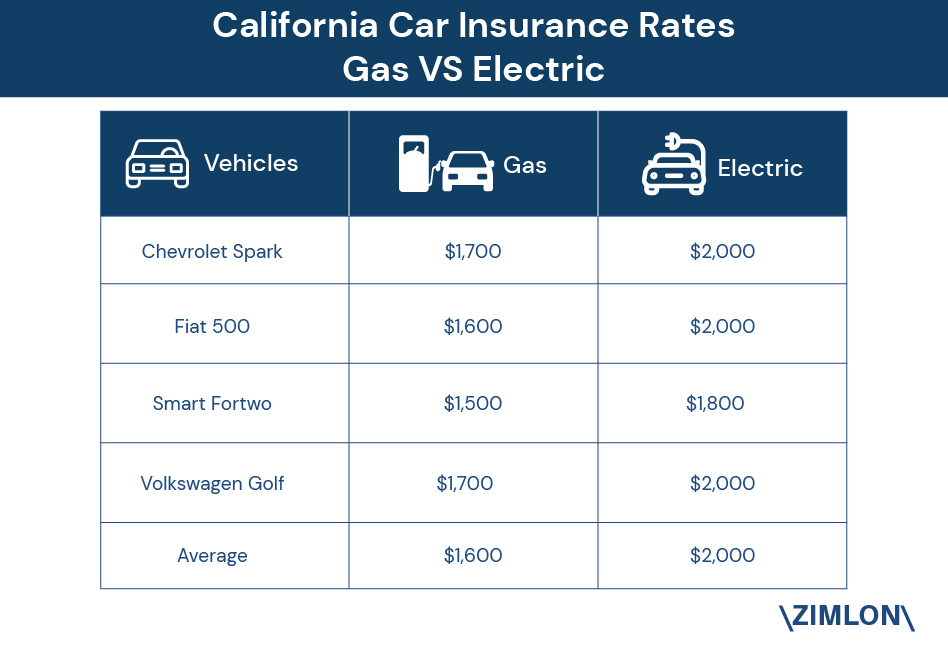
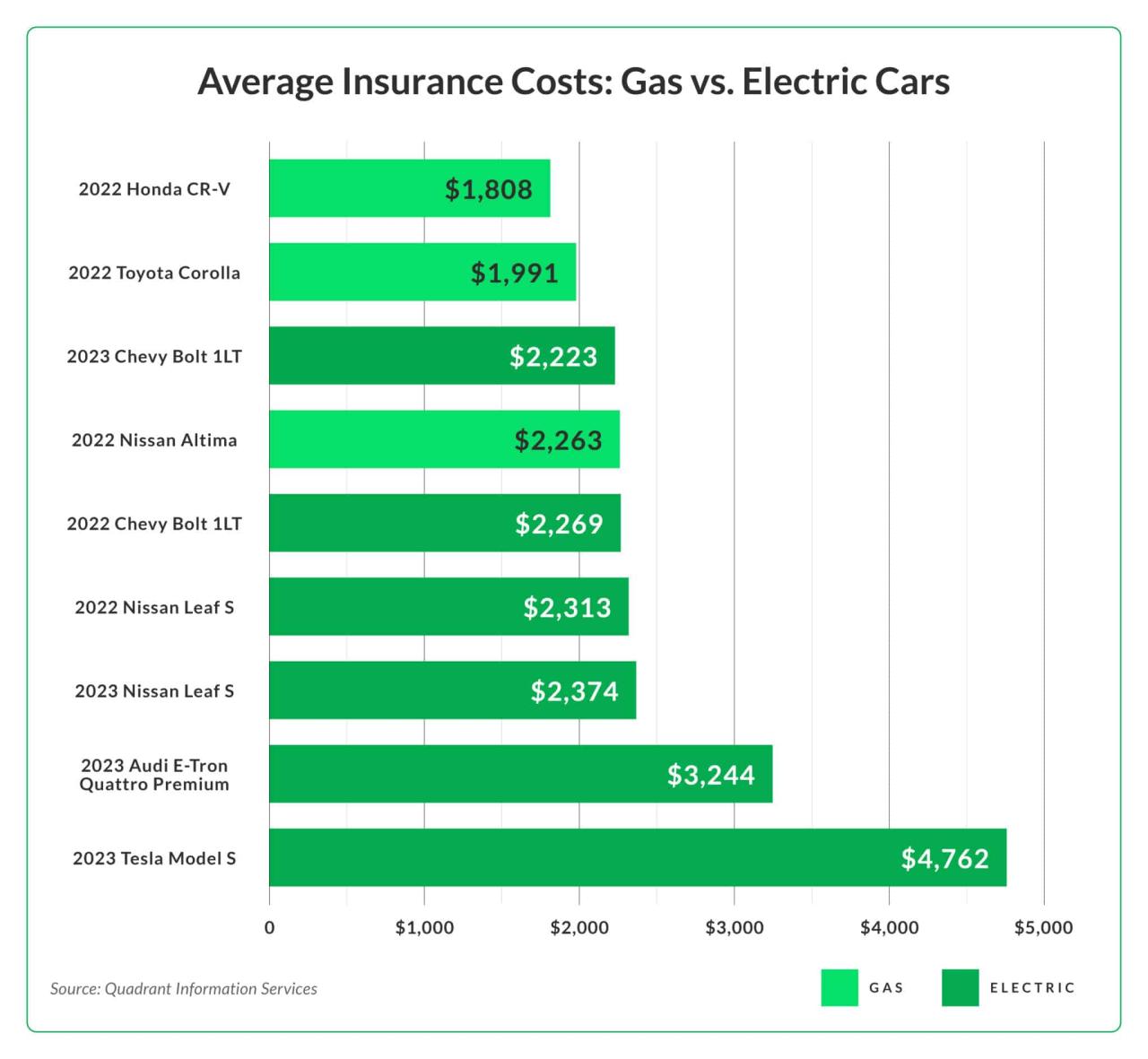
When it comes to insuring vehicles, there are noticeable differences in costs between electric vehicles (EVs) and traditional gasoline vehicles. These variations in insurance premiums can be influenced by several factors that are specific to each type of vehicle.
According to a study by the Insurance Institute for Highway Safety (IIHS), insurance premiums for electric vehicles were found to be approximately 6-21% higher than those for gasoline vehicles. This difference can be attributed to the factors mentioned above, along with the evolving nature of the EV market and corresponding insurance industry.
Electric vehicle owners can benefit from various insurance discounts and incentives that can help reduce their overall insurance costs. These discounts are often offered by insurance companies to encourage the adoption of electric vehicles and promote eco-friendly driving practices.
Insurance companies are introducing unique programs and initiatives to encourage the adoption of electric vehicles through lower insurance costs:
Electric vehicles (EVs) are rapidly gaining popularity in the automotive market, and as more drivers make the switch to electric, the landscape of insurance pricing is expected to evolve accordingly. Let’s delve into the predicted trends in insurance pricing for electric vehicles in the coming years and the factors that might influence these changes.
With ongoing advancements in EV technology, such as improved battery efficiency and autonomous driving features, insurance companies may adjust their pricing models to reflect the reduced risk associated with these developments. Insurers could offer discounts for EVs equipped with advanced safety features that help prevent accidents, ultimately leading to lower insurance premiums for drivers.
The expansion of charging infrastructure plays a crucial role in the adoption of electric vehicles. As more charging stations become available and EV range increases, insurance companies may consider these factors when determining insurance costs. Drivers with easy access to charging stations and longer driving ranges may be perceived as lower risk, potentially resulting in lower insurance rates for these individuals.
The use of telematics devices in vehicles allows insurers to gather real-time data on driver behavior, including speed, acceleration, and braking patterns. This data can be used to personalize insurance premiums based on individual driving habits. As telematics technology continues to advance, insurance pricing for electric vehicles may become more tailored and reflective of each driver’s risk profile.
As the push for sustainability grows stronger, insurance companies may introduce eco-friendly incentives for electric vehicle owners. Discounts or rewards for choosing an electric vehicle over a traditional gas-powered car could become more prevalent, encouraging more drivers to make the switch to electric and potentially lowering insurance costs for EV owners in the future.
Are electric vehicles more expensive to insure than traditional gasoline vehicles?
Insurance costs for electric vehicles can vary based on factors like make and model, driver demographics, and safety features. While EVs may have some differences in insurance premiums, discounts and incentives are available that can offset these costs.
What types of insurance discounts are available for electric vehicle owners?
Electric vehicle owners may qualify for discounts related to the environmentally friendly nature of EVs, safety features, or low mileage. Some insurance companies offer specific programs to encourage EV adoption, resulting in cost savings for policyholders.
How do advancements in EV technology impact insurance pricing?
As electric vehicle technology advances, insurance pricing models may evolve to reflect the increased safety and efficiency of EVs. This could lead to potential changes in insurance costs over time as insurers adapt to new technologies and trends in the automotive industry.